HOW TO CHOOSE LINGERIE COLOR FOR YOUR SKIN TONE
HOW TO CHOOSE LINGERIE COLOR FOR YOUR SKIN TONE
HOW TO CHOOSE LINGERIE COLOR FOR YOUR SKIN TONE
Color is lingerie’s first, quiet decision. This LIA's guide treats tone as intimacy, not correction—how silk, satin, and lace shift a shade, and how skin-near, soft-contrast, and deep anchors can move with light, mood, and self-regard.
Color is lingerie’s first, quiet decision. This LIA's guide treats tone as intimacy, not correction—how silk, satin, and lace shift a shade, and how skin-near, soft-contrast, and deep anchors can move with light, mood, and self-regard.
Once designed to disappear under clothing, lingerie now steps into daylight as a deliberate line in the look. L’IA traces how corsetry’s discipline and silk’s quiet authority translate intimacy into composed visibility, where craft and restraint shape what is seen—and what remains yours.
PUBLISHED: FEB 16, 2026
PUBLISHED: FEB 16, 2026
Once designed to disappear under clothing, lingerie now steps into daylight as a deliberate line in the look. L’IA traces how corsetry’s discipline and silk’s quiet authority translate intimacy into composed visibility, where craft and restraint shape what is seen—and what remains yours.
6 MIN READ
6 MIN READ
Once designed to disappear under clothing, lingerie now steps into daylight as a deliberate line in the look. L’IA traces how corsetry’s discipline and silk’s quiet authority translate intimacy into composed visibility, where craft and restraint shape what is seen—and what remains yours.
Color as a Private Decision
Color as a Private Decision
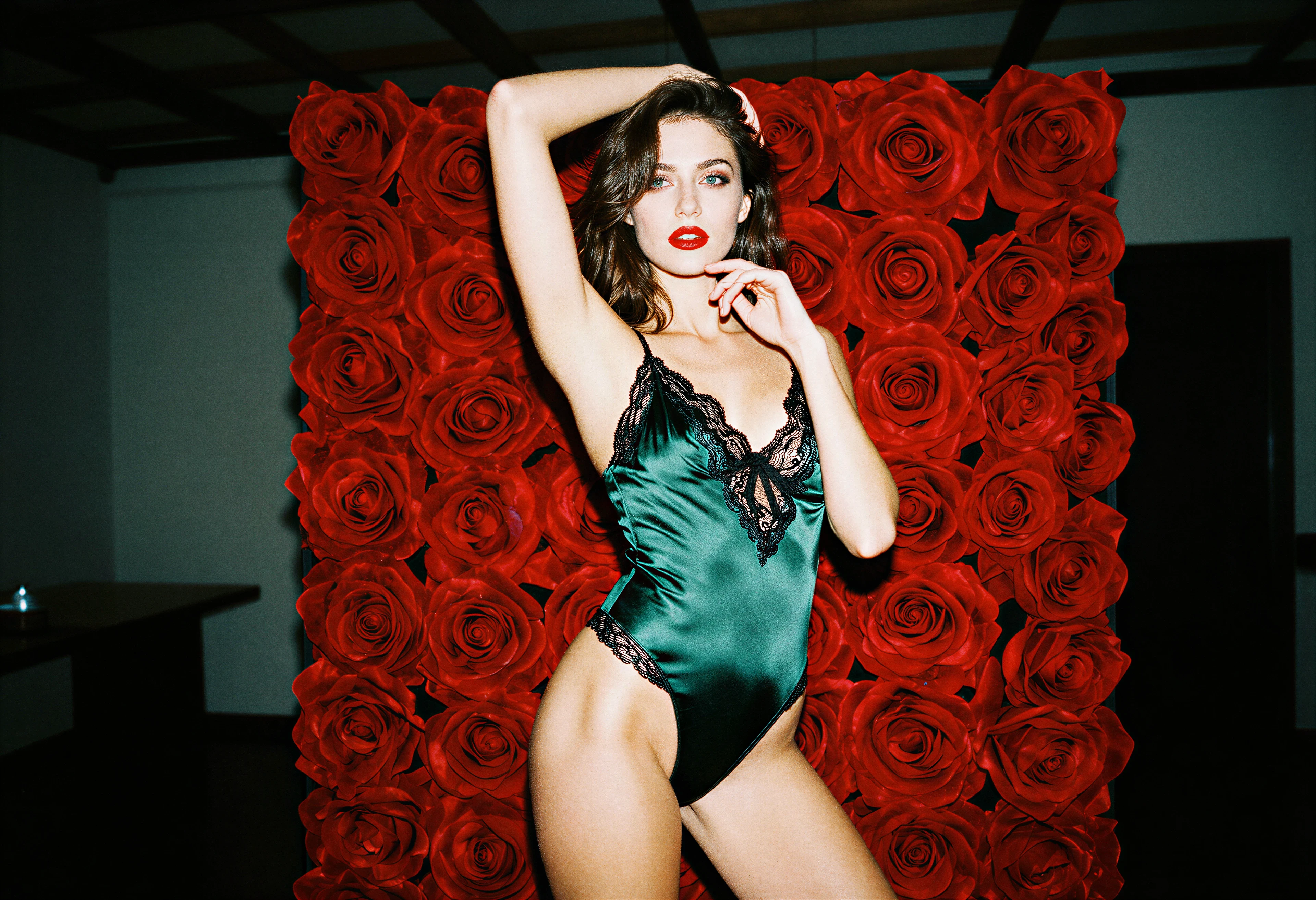
Color is the first decision lingerie makes against the body. Not loudly, not in a way that asks for approval, but in a way that changes your own sense of presence. The same shade can feel crisp on one skin and softened on another, like silk catching light at a different angle.
Pairing color “for every skin color” is often treated as a correction exercise. Intimate Eminence does not approach it that way. This is not about finding what hides, what flatters, what makes the body behave for an outside eye. It is about choosing tones that feel coherent with you, in daylight, in lamplight, and in the small hours when you are only dressing for yourself.
Color is the first decision lingerie makes against the body. Not loudly, not in a way that asks for approval, but in a way that changes your own sense of presence. The same shade can feel crisp on one skin and softened on another, like silk catching light at a different angle.
Pairing color “for every skin color” is often treated as a correction exercise. Intimate Eminence does not approach it that way. This is not about finding what hides, what flatters, what makes the body behave for an outside eye. It is about choosing tones that feel coherent with you, in daylight, in lamplight, and in the small hours when you are only dressing for yourself.
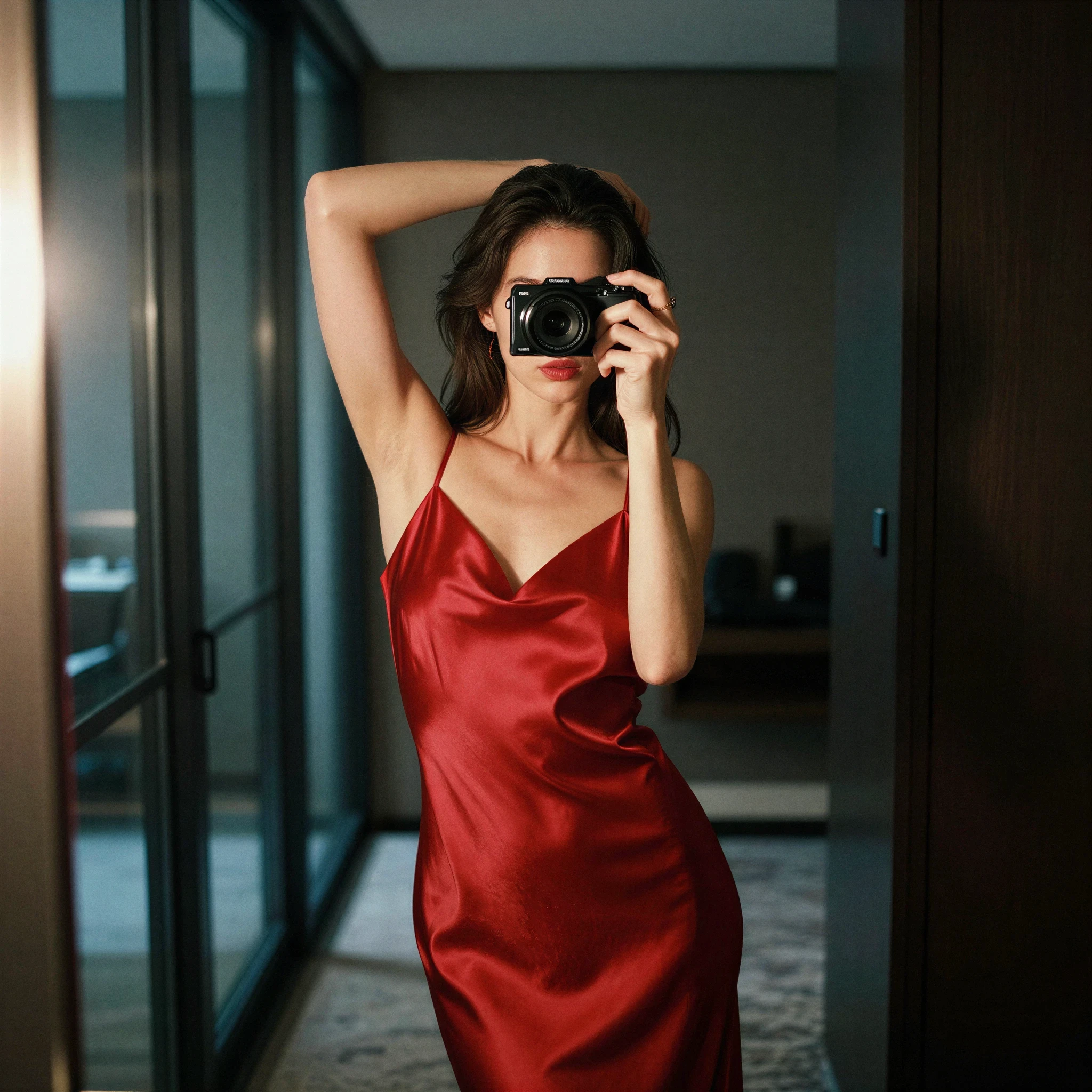
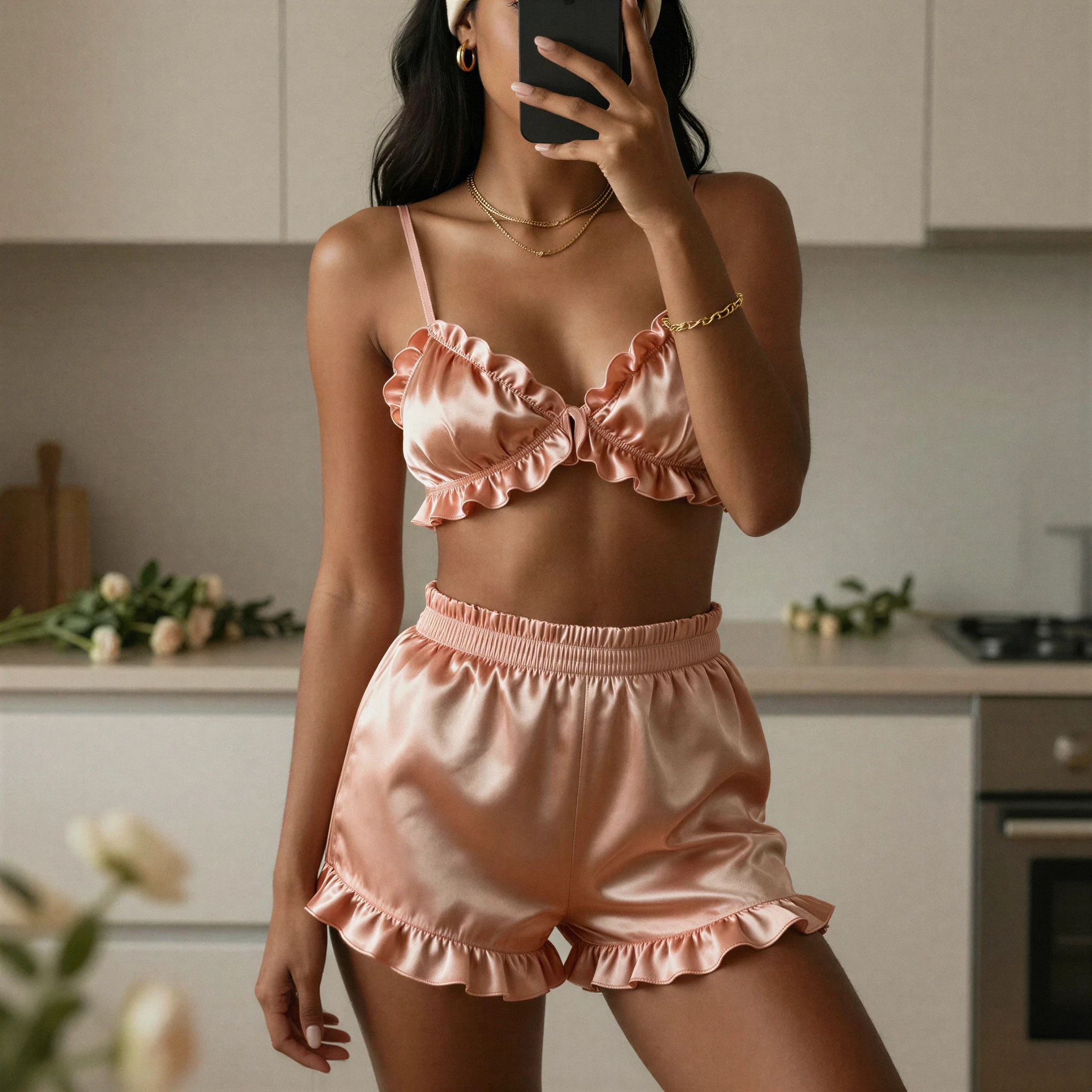
Color is not separate from material. A deep shade in silk satin behaves differently than the same dye on silk charmeuse, because one holds a firmer sheen and the other carries a liquid glow. Lace changes it again, especially when the ground is sheer and the motif is dense, because skin becomes part of the hue instead of a backdrop.
Start with what your skin does with light. Some skin reads luminous and cool, as if light sits on the surface. Some reads warm, as if light passes through. Many sit in a quiet middle, changing with season, sleep, and temperature. The goal is not to label yourself. The goal is to notice.
If you lean cool, certain colors feel like clean air. Blue-based reds, cool rose, crisp white, ink, and slate can feel clarifying rather than stark. On cool skin, warm beige can sometimes look “separate,” as if it belongs to the garment more than to you, while a greyed taupe melts into the body with less effort.
Color is not separate from material. A deep shade in silk satin behaves differently than the same dye on silk charmeuse, because one holds a firmer sheen and the other carries a liquid glow. Lace changes it again, especially when the ground is sheer and the motif is dense, because skin becomes part of the hue instead of a backdrop.
Start with what your skin does with light. Some skin reads luminous and cool, as if light sits on the surface. Some reads warm, as if light passes through. Many sit in a quiet middle, changing with season, sleep, and temperature. The goal is not to label yourself. The goal is to notice.
If you lean cool, certain colors feel like clean air. Blue-based reds, cool rose, crisp white, ink, and slate can feel clarifying rather than stark. On cool skin, warm beige can sometimes look “separate,” as if it belongs to the garment more than to you, while a greyed taupe melts into the body with less effort.
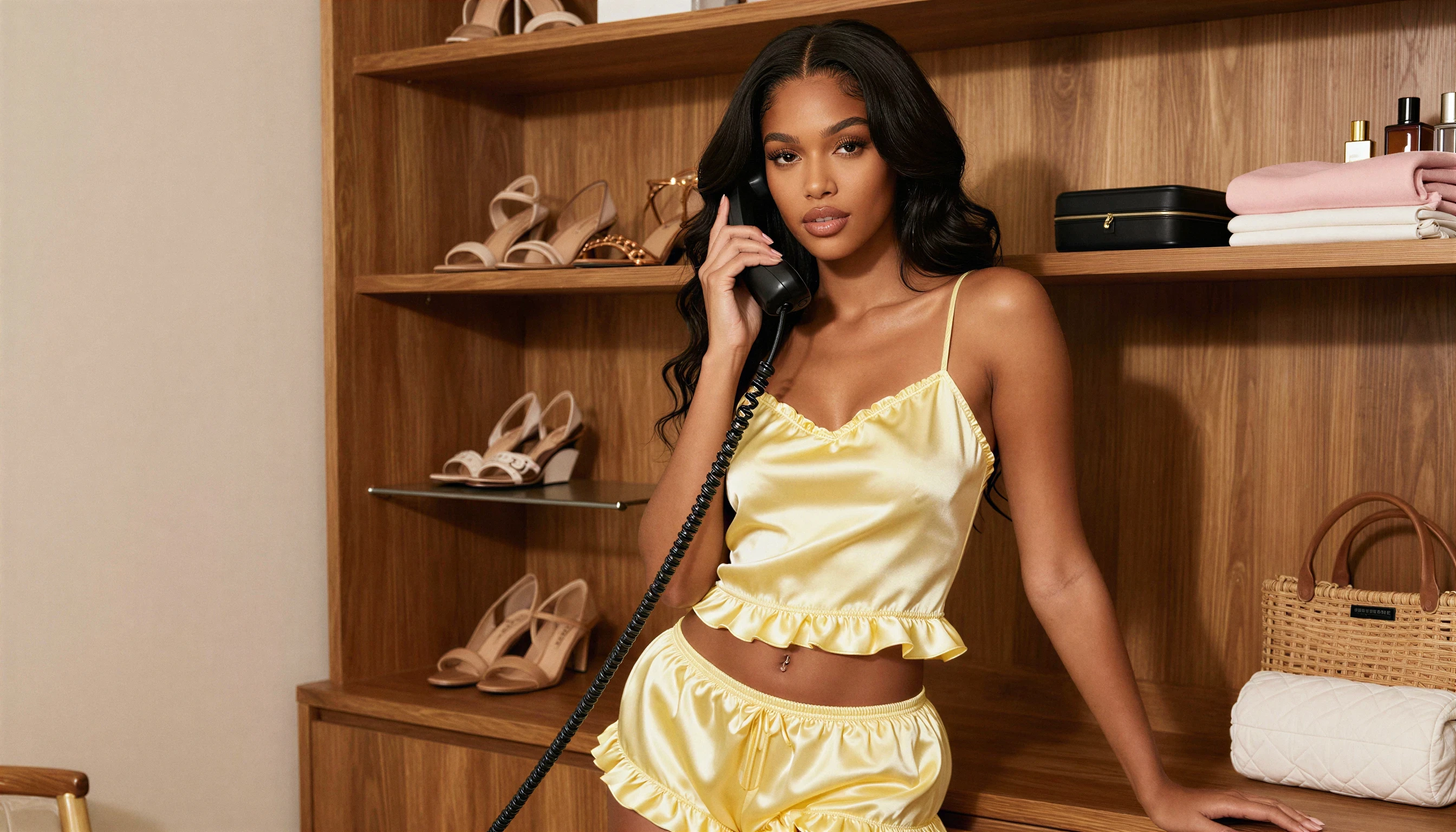
If you lean warm, color can feel like sunlight held in fabric. Cream, honey, cocoa, cinnamon, terracotta, and olive often sit close to the skin without tension. Pure optic white can feel bright and distant, while ivory feels like it was meant to be there all along.
If you lean neutral, you are not “in between.” You are expansive. Many colors will work, which is less a gift than a responsibility, because the wrong choice is often not wrong in public, only wrong in private. With neutral skin, the decision becomes about mood: do you want a color to disappear into you, or to outline you with a quiet edge.
The most reliable way to pair lingerie color is to think in three families: skin-near tones, softly contrasted tones, and deep anchoring tones. Each family serves a different kind of day. None of them is superior.
If you lean warm, color can feel like sunlight held in fabric. Cream, honey, cocoa, cinnamon, terracotta, and olive often sit close to the skin without tension. Pure optic white can feel bright and distant, while ivory feels like it was meant to be there all along.
If you lean neutral, you are not “in between.” You are expansive. Many colors will work, which is less a gift than a responsibility, because the wrong choice is often not wrong in public, only wrong in private. With neutral skin, the decision becomes about mood: do you want a color to disappear into you, or to outline you with a quiet edge.
The most reliable way to pair lingerie color is to think in three families: skin-near tones, softly contrasted tones, and deep anchoring tones. Each family serves a different kind of day. None of them is superior.
Skin-Near Tones: The New Meaning of “Nude”
Skin-Near Tones: The New Meaning of “Nude”
Skin-near tones are often reduced to one word: nude. In reality, “nude” is a spectrum with undertones, and luxury is revealed in how well a brand understands that spectrum. A well-chosen skin-near tone does not look invisible. It looks intentional, as if the lingerie is part of your own coloring.
Skin-near tones are often reduced to one word: nude. In reality, “nude” is a spectrum with undertones, and luxury is revealed in how well a brand understands that spectrum. A well-chosen skin-near tone does not look invisible. It looks intentional, as if the lingerie is part of your own coloring.
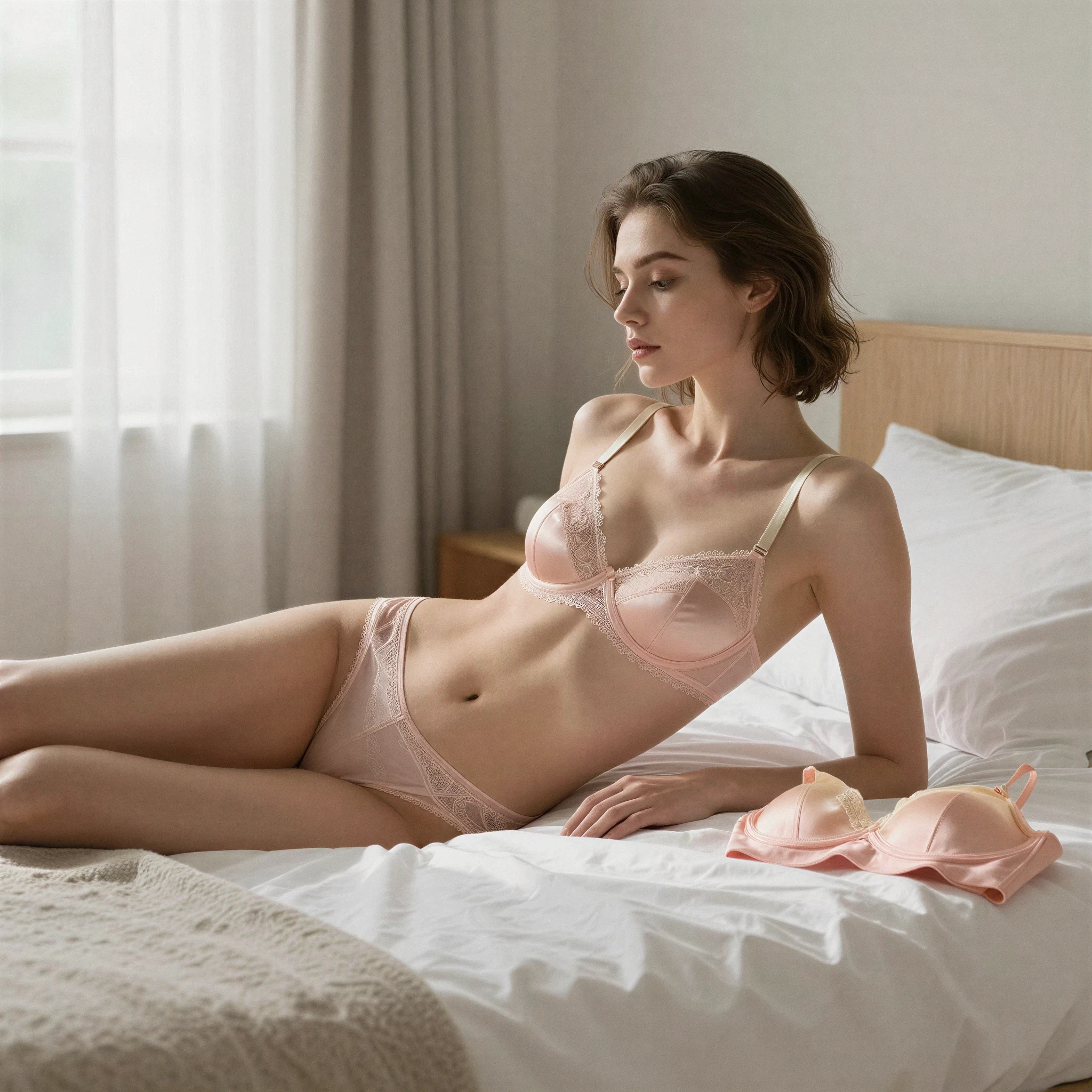
For very fair skin, skin-near often sits in the world of porcelain, blush, pale peach, and cool beige. The most convincing versions tend to be slightly muted, not chalky. When the tone is too yellow, it can look like a separate object; when it is too pink, it can read as cosmetic rather than textile.
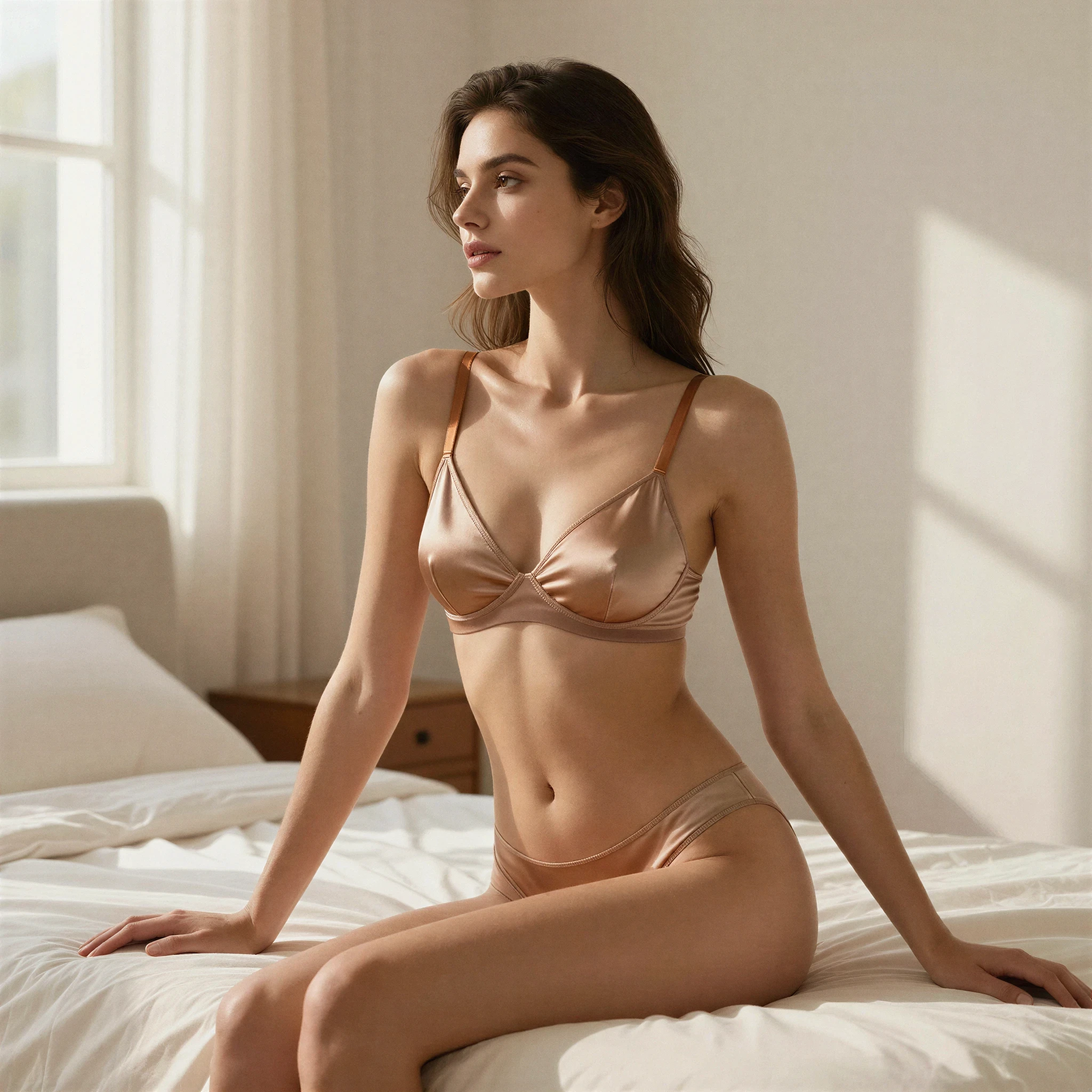
For light to medium skin, skin-near shades open into sand, biscuit, soft caramel, and warm taupe. The best ones feel balanced, neither too flat nor too orange. In fine silk, these tones can look almost architectural, because the surface light is gentle and controlled.
For very fair skin, skin-near often sits in the world of porcelain, blush, pale peach, and cool beige. The most convincing versions tend to be slightly muted, not chalky. When the tone is too yellow, it can look like a separate object; when it is too pink, it can read as cosmetic rather than textile.
For light to medium skin, skin-near shades open into sand, biscuit, soft caramel, and warm taupe. The best ones feel balanced, neither too flat nor too orange. In fine silk, these tones can look almost architectural, because the surface light is gentle and controlled.
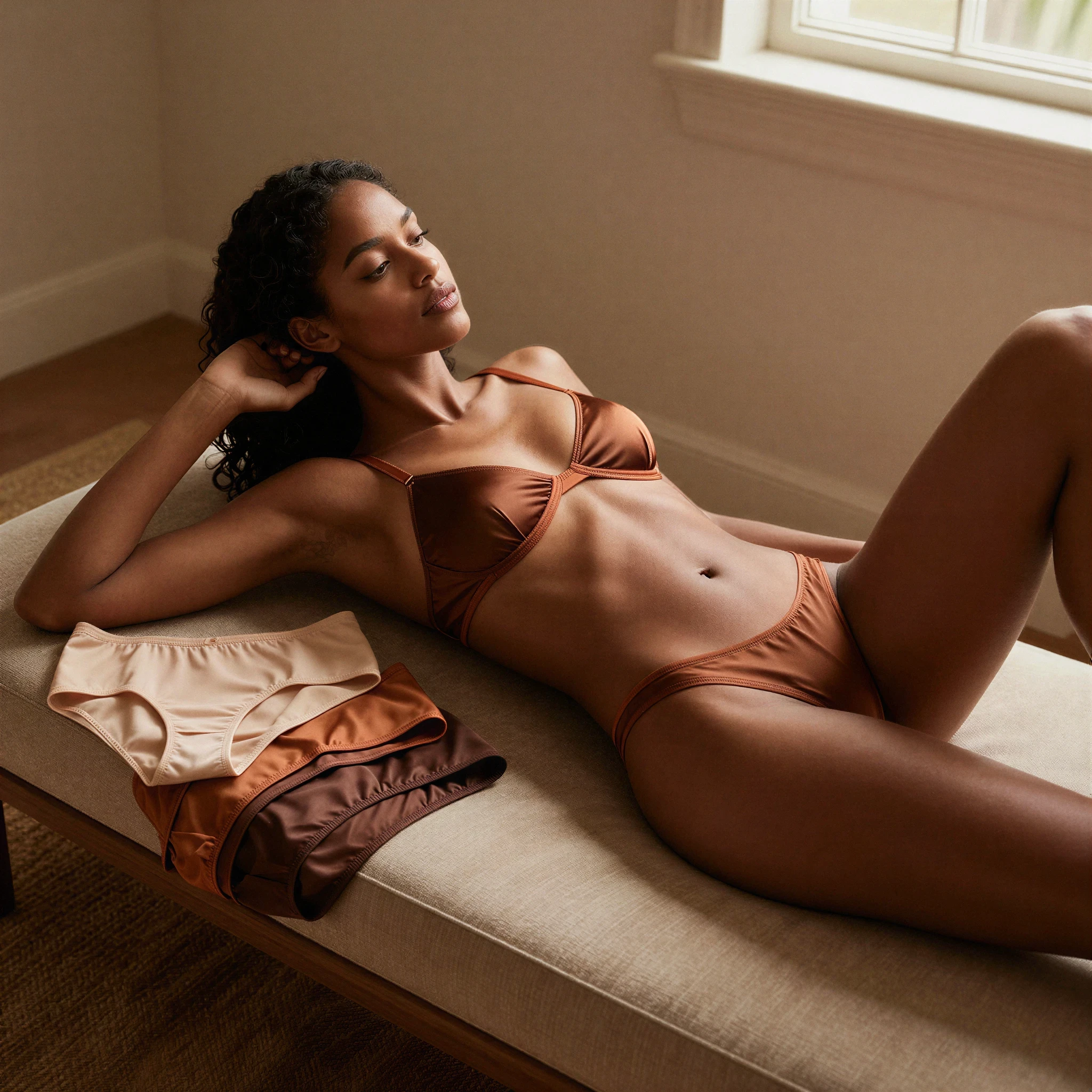
For medium to deep skin, skin-near can include bronze, cinnamon, mocha, toffee, and deep cocoa. The common mistake is choosing a beige that is far too pale, creating a dusty effect that interrupts the body’s natural warmth. A truer match does not erase contrast; it creates harmony.
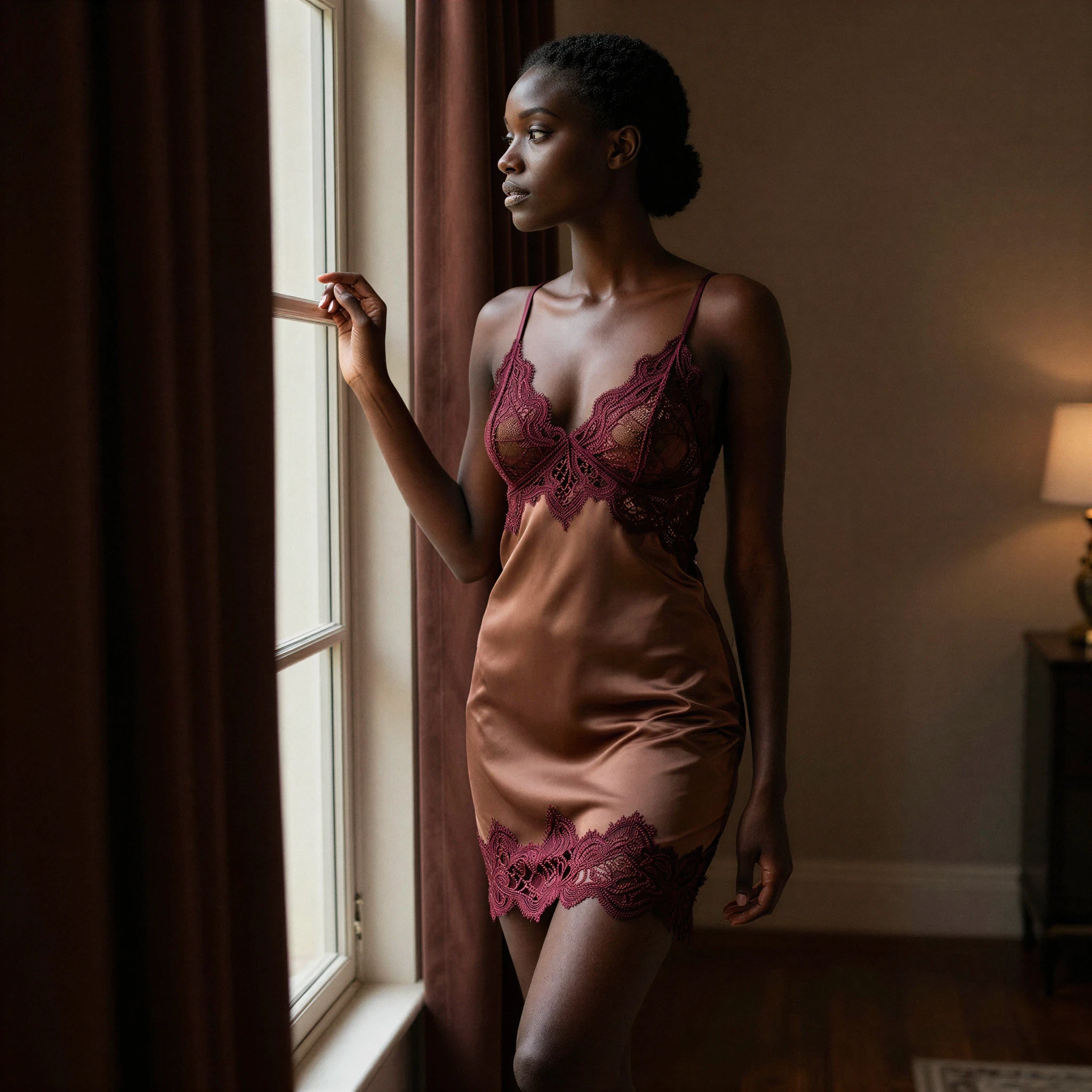
For very deep skin, skin-near often lives in espresso, mahogany, rich cocoa, and black-brown tones that hold complexity. When lace sits over very deep skin, the nuance becomes especially beautiful, because the negative space in the lace does not “show” skin as much as it allows depth to breathe through pattern.
For medium to deep skin, skin-near can include bronze, cinnamon, mocha, toffee, and deep cocoa. The common mistake is choosing a beige that is far too pale, creating a dusty effect that interrupts the body’s natural warmth. A truer match does not erase contrast; it creates harmony.
For very deep skin, skin-near often lives in espresso, mahogany, rich cocoa, and black-brown tones that hold complexity. When lace sits over very deep skin, the nuance becomes especially beautiful, because the negative space in the lace does not “show” skin as much as it allows depth to breathe through pattern.
Soft Contrast: Color as Quiet Style
Soft Contrast: Color as Quiet Style
Soft contrast is where lingerie becomes style. It is the choice to be seen by yourself, not by a room. Soft contrast means colors that sit one step away from your skin, like the shadow that follows your collarbone or the warmth that rises after a shower.
Soft contrast is where lingerie becomes style. It is the choice to be seen by yourself, not by a room. Soft contrast means colors that sit one step away from your skin, like the shadow that follows your collarbone or the warmth that rises after a shower.
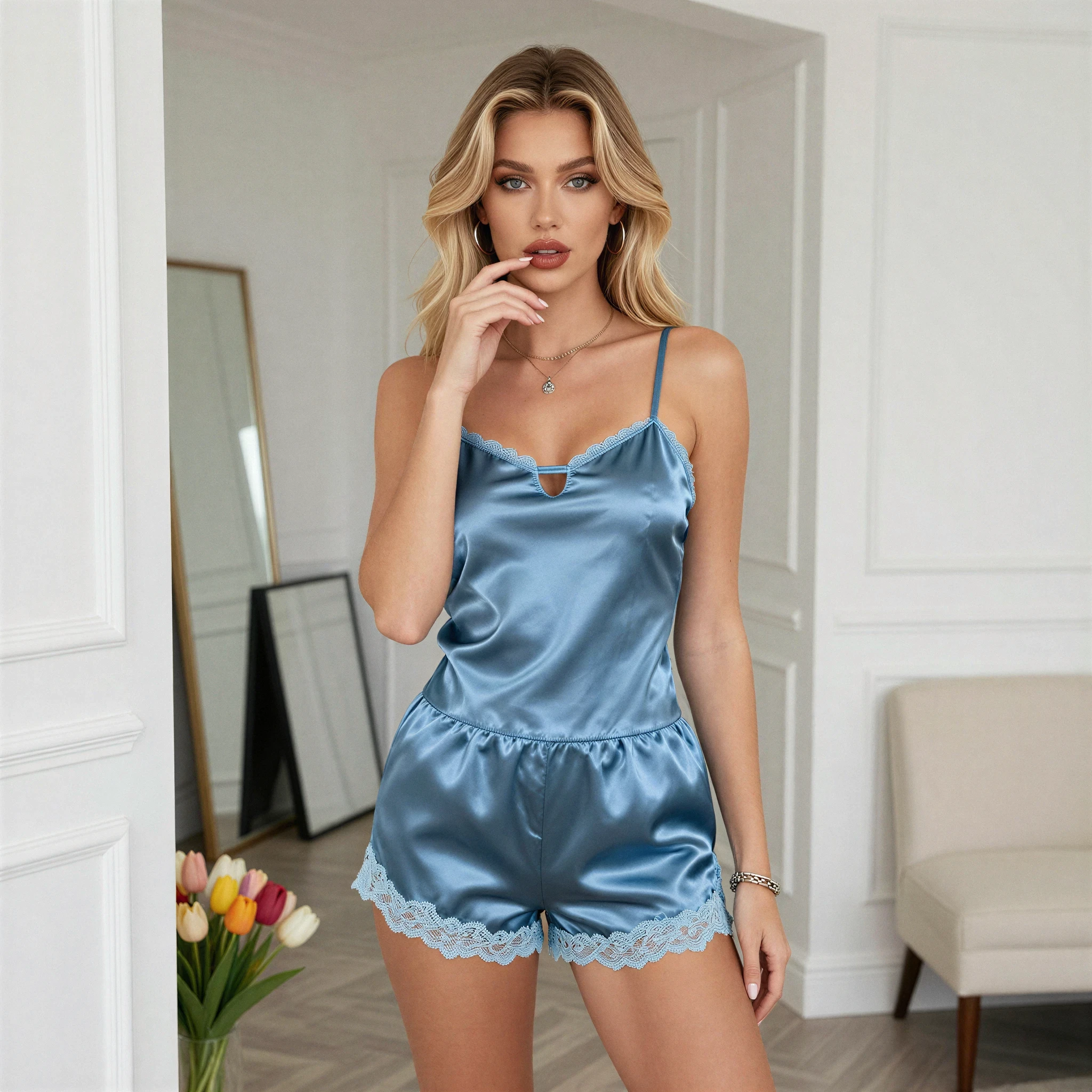
On very fair skin, soft contrast can be dove grey, powder blue, cool mauve, and soft charcoal. These shades feel calm and close, and they often make fine finishing details—hand-applied picot elastics, a narrow binding—more visible without turning the garment into a statement.
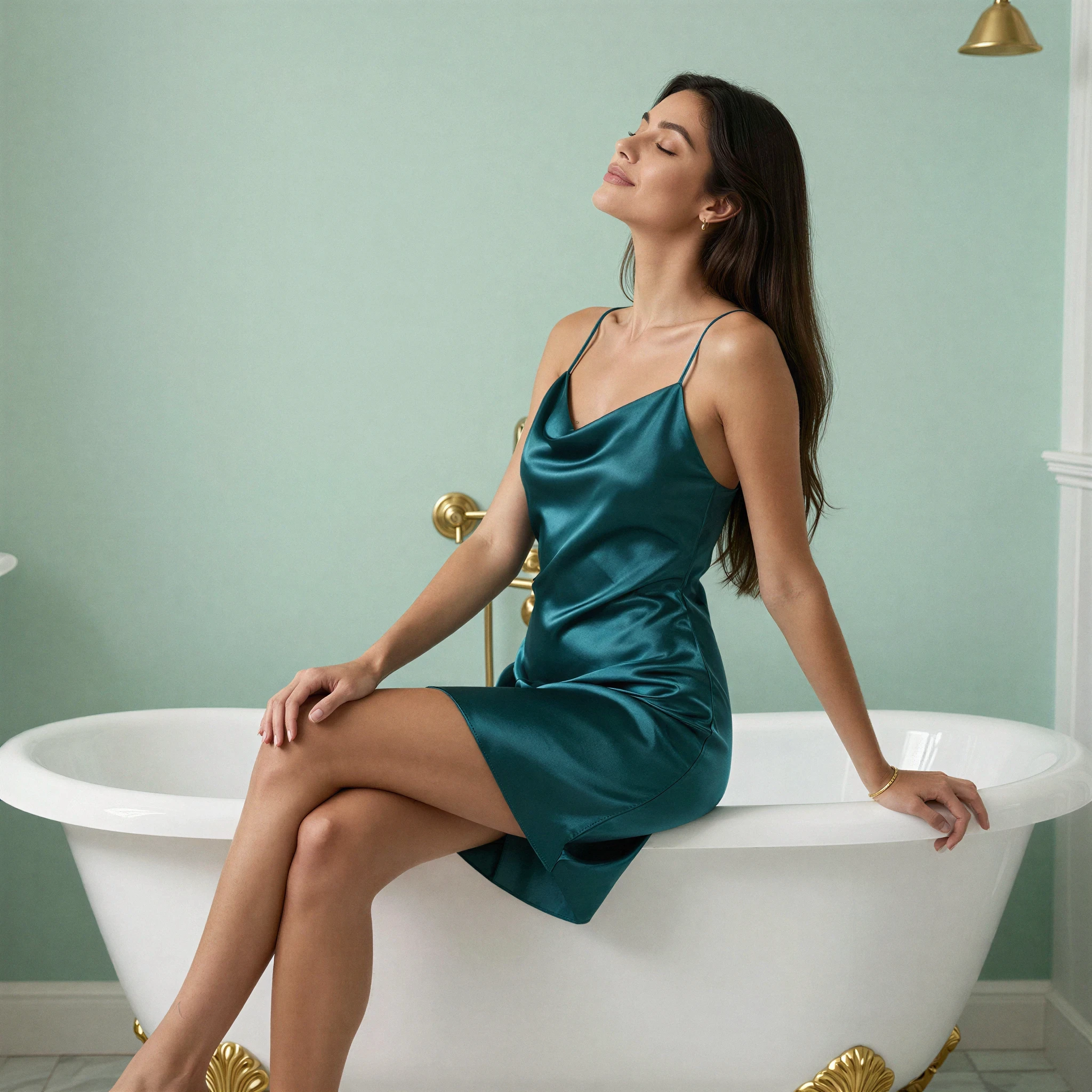
On light to medium skin, soft contrast can be dusty rose, muted teal, warm grey, and cocoa-tinged plum. These shades tend to look particularly refined in silk charmeuse, where the surface is not loud, but alive. Even a simple slip becomes a study in movement when the color has depth.
On very fair skin, soft contrast can be dove grey, powder blue, cool mauve, and soft charcoal. These shades feel calm and close, and they often make fine finishing details—hand-applied picot elastics, a narrow binding—more visible without turning the garment into a statement.
On light to medium skin, soft contrast can be dusty rose, muted teal, warm grey, and cocoa-tinged plum. These shades tend to look particularly refined in silk charmeuse, where the surface is not loud, but alive. Even a simple slip becomes a study in movement when the color has depth.
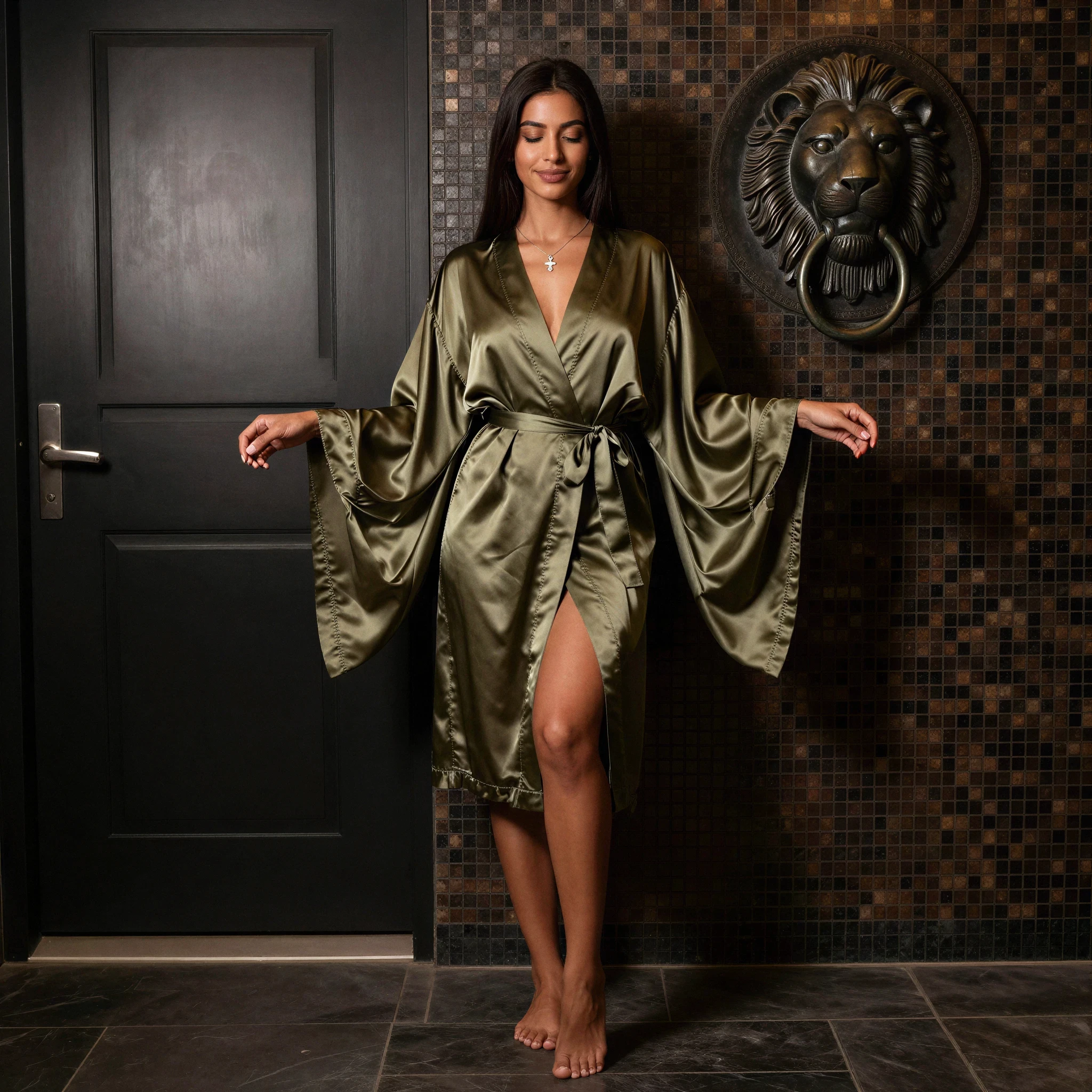
On medium to deep skin, soft contrast can include saffron, antique gold, deep rose, petrol blue, and olive. The contrast is gentle, but the effect is distinct, like a scarf chosen for your own reflection. When hardware is plated metal rather than bright, the whole piece stays in the realm of quiet.
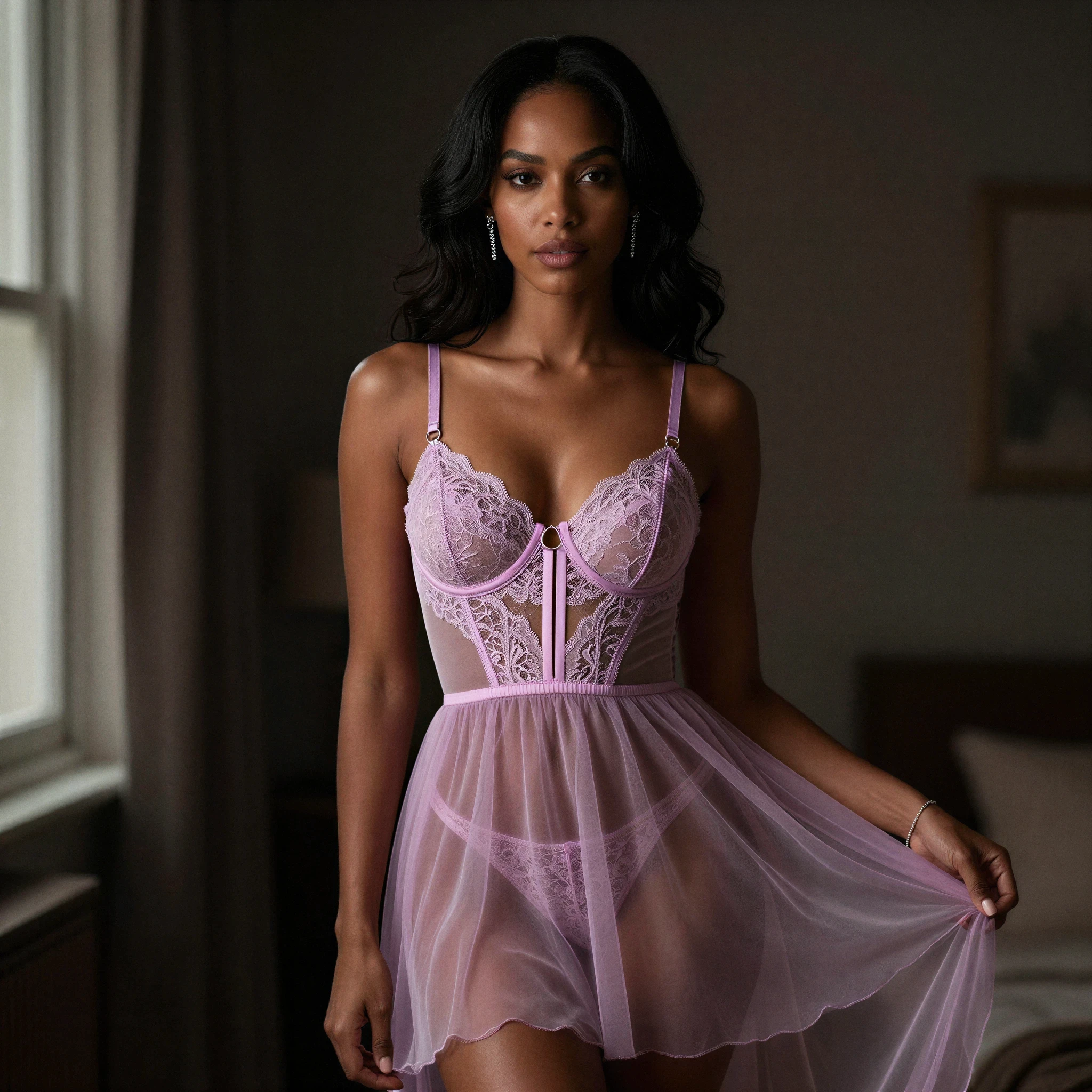
On very deep skin, soft contrast can be lapis, emerald, wine, copper, and soft lilac. These shades do not fight depth; they sit alongside it. In Leavers lace, where the motif can feel almost sculptural, these colors can make the lace read like texture rather than decoration.
On medium to deep skin, soft contrast can include saffron, antique gold, deep rose, petrol blue, and olive. The contrast is gentle, but the effect is distinct, like a scarf chosen for your own reflection. When hardware is plated metal rather than bright, the whole piece stays in the realm of quiet.
On very deep skin, soft contrast can be lapis, emerald, wine, copper, and soft lilac. These shades do not fight depth; they sit alongside it. In Leavers lace, where the motif can feel almost sculptural, these colors can make the lace read like texture rather than decoration.
Deep Anchors: The Colors That Hold You
Deep Anchors: The Colors That Hold You
Deep anchoring tones are the colors that make you feel held. They are not dramatic by nature. They simply give the body a boundary, a sense of outline. Black is the obvious anchor, but it is not the only one, and it is not always the most intimate.
Deep anchoring tones are the colors that make you feel held. They are not dramatic by nature. They simply give the body a boundary, a sense of outline. Black is the obvious anchor, but it is not the only one, and it is not always the most intimate.
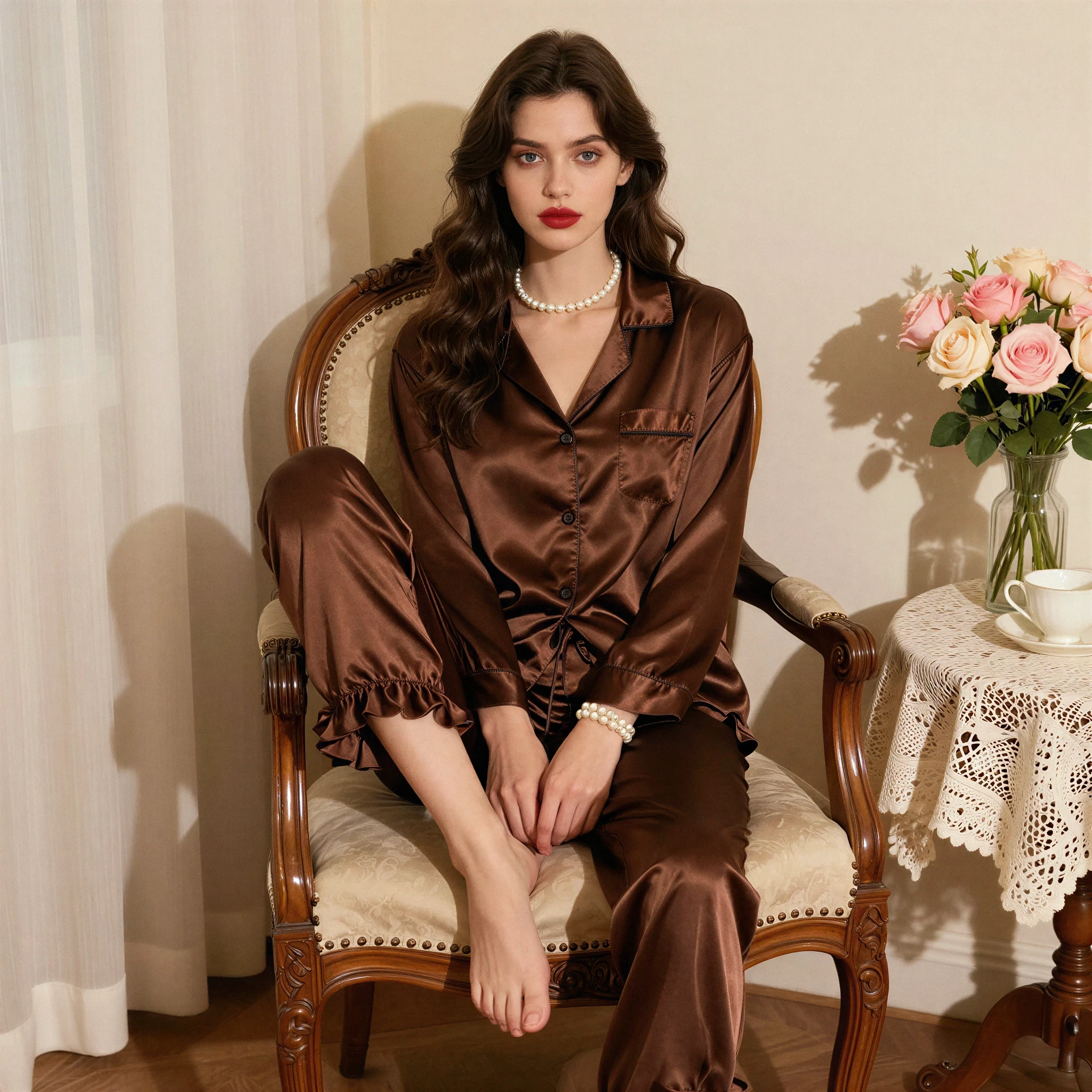
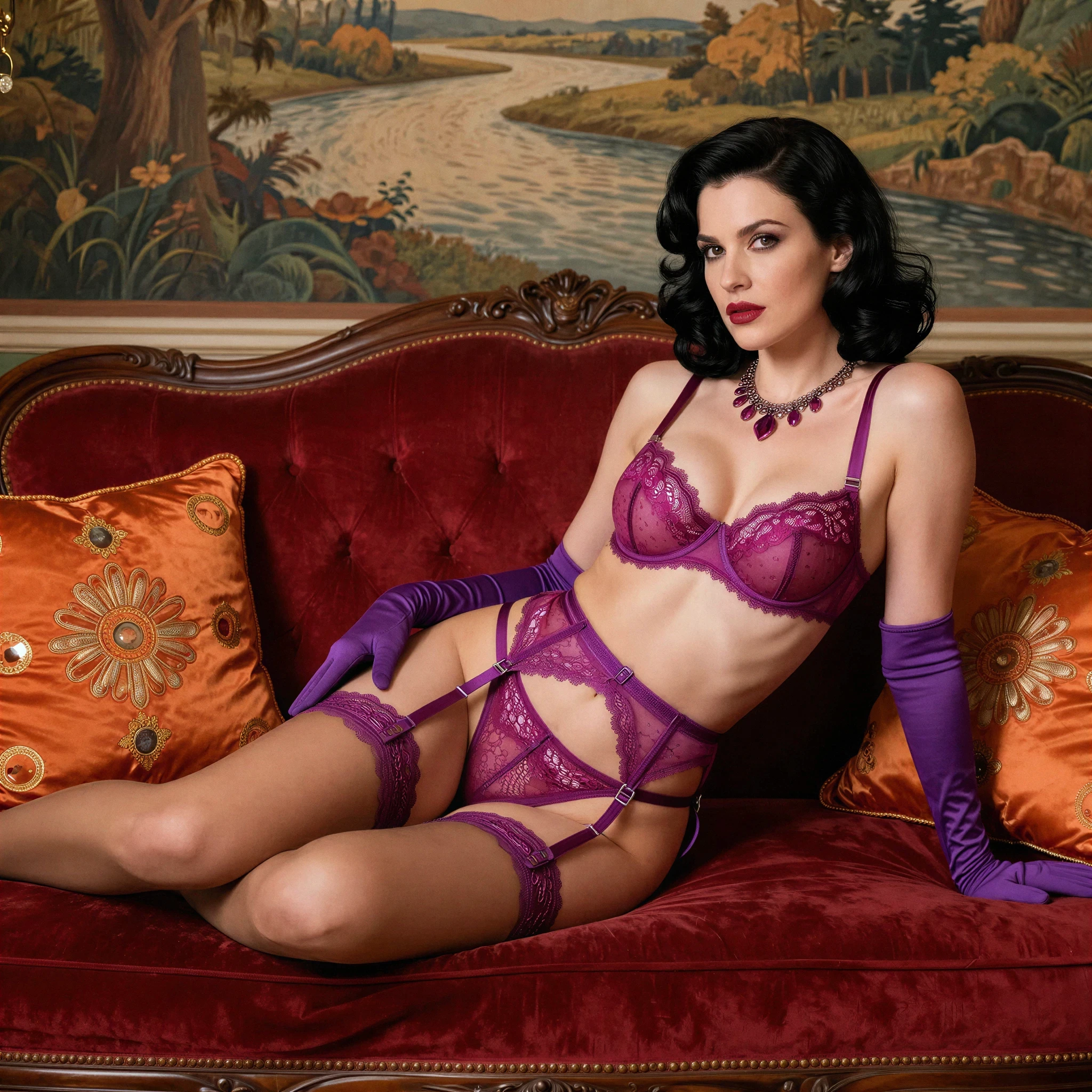
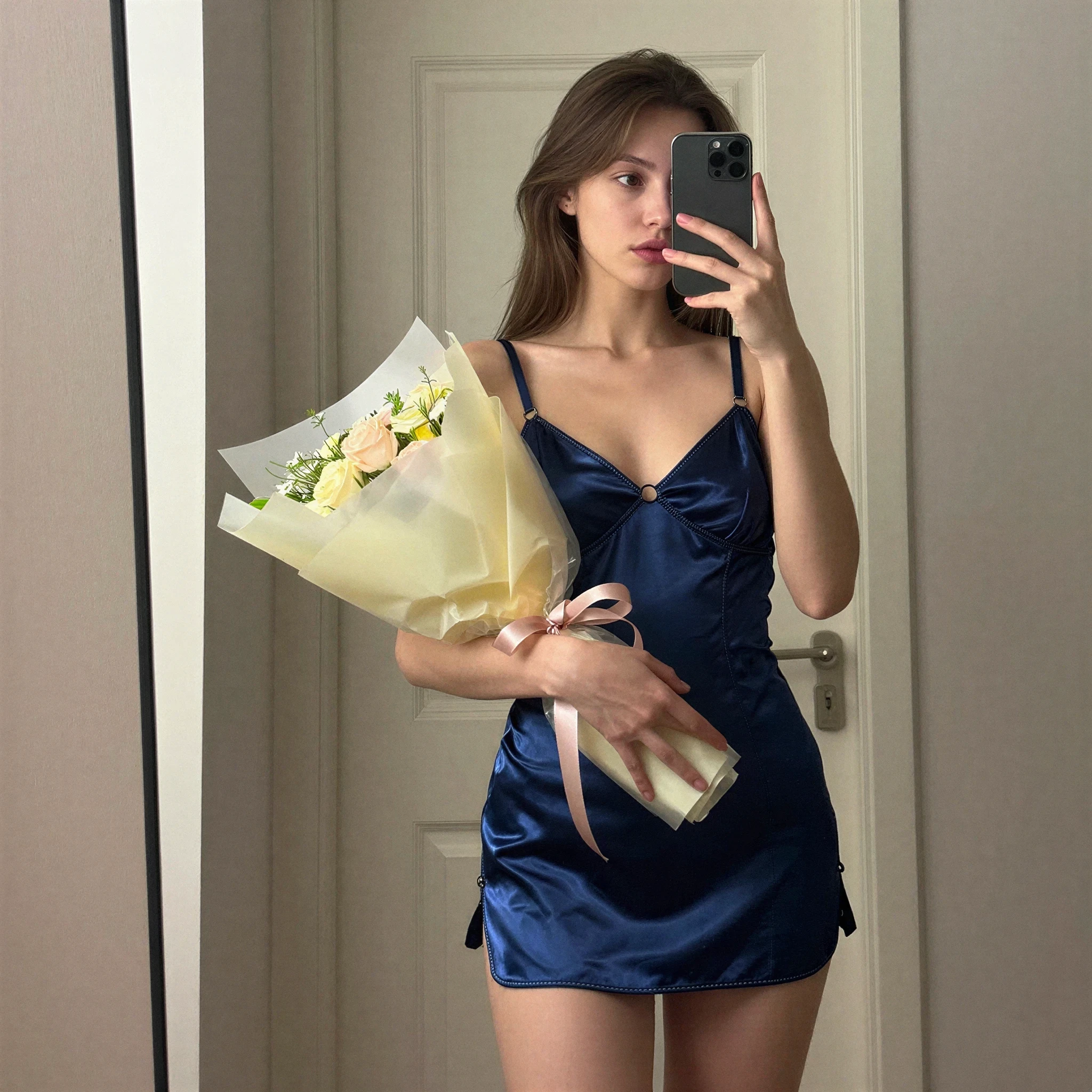

For cool skin, anchors often live in ink, black, deep navy, and charcoal. These tones feel crisp and composed, especially when the construction is disciplined: French seams that lie flat, silk-wrapped channels that avoid roughness, bartacks placed where the garment quietly takes weight.
For warm skin, anchors can be espresso, deep chocolate, forest, and oxblood that leans brown rather than purple. These shades feel grounded. They sit with the skin the way wool sits with leather—different, but compatible.
For neutral skin, anchors can be almost anything deep, as long as it is chosen with intention. The question is not whether it “works.” The question is whether it steadies you, or makes you feel slightly costumed.
For cool skin, anchors often live in ink, black, deep navy, and charcoal. These tones feel crisp and composed, especially when the construction is disciplined: French seams that lie flat, silk-wrapped channels that avoid roughness, bartacks placed where the garment quietly takes weight.
For warm skin, anchors can be espresso, deep chocolate, forest, and oxblood that leans brown rather than purple. These shades feel grounded. They sit with the skin the way wool sits with leather—different, but compatible.
For neutral skin, anchors can be almost anything deep, as long as it is chosen with intention. The question is not whether it “works.” The question is whether it steadies you, or makes you feel slightly costumed.
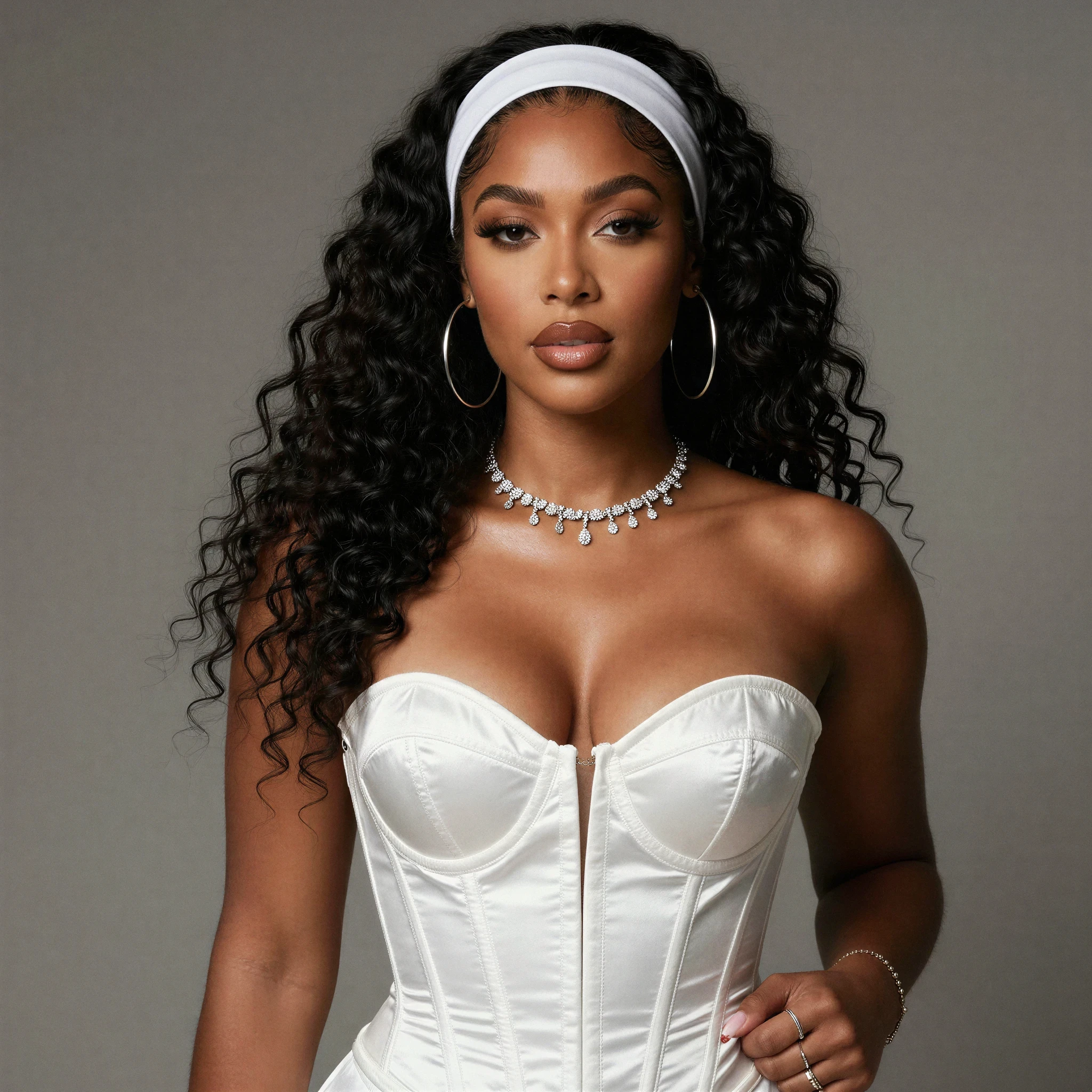
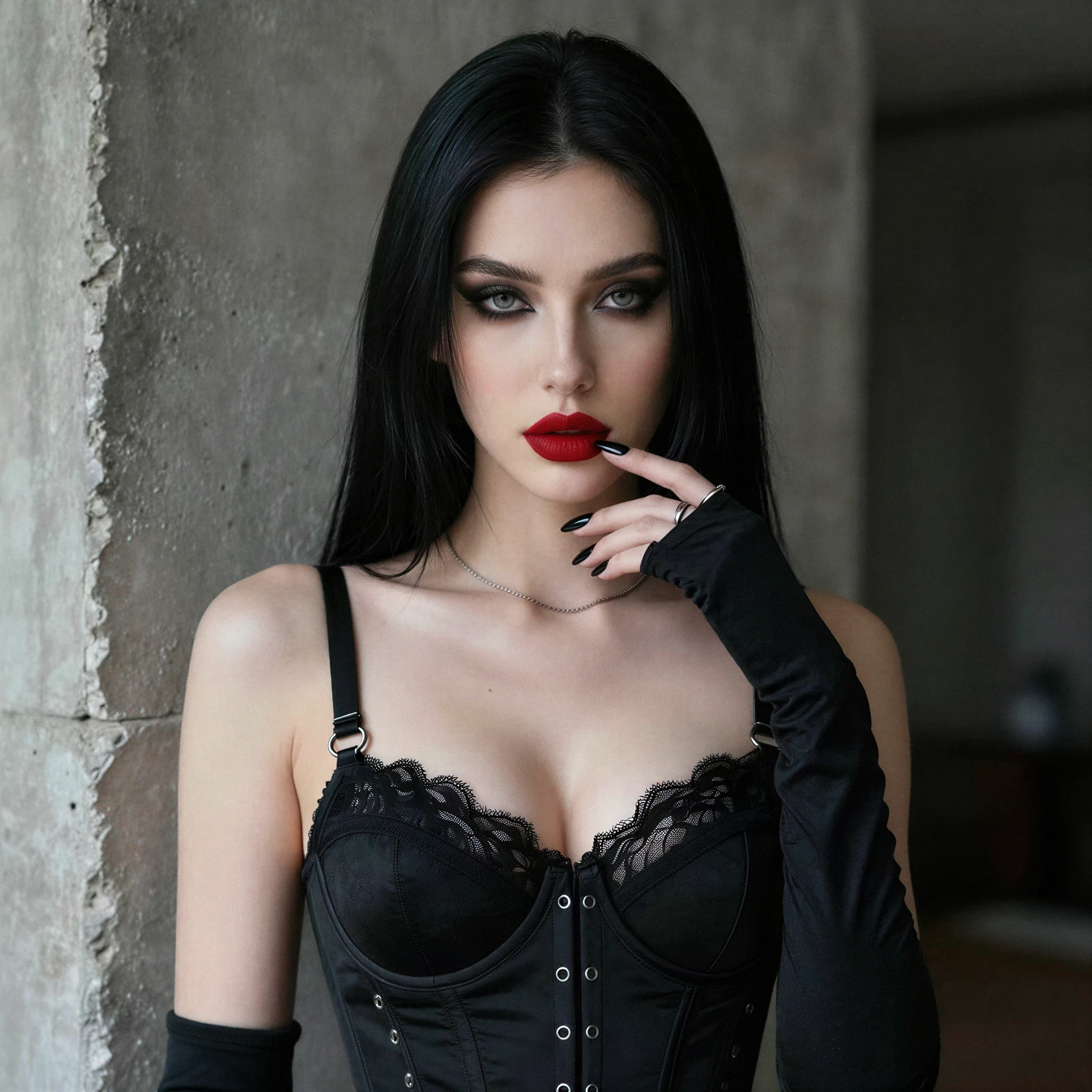
There is one pairing that deserves special care: pale lingerie on deep skin, and deep lingerie on pale skin. These combinations can be beautiful, but only when the choice is made for the wearer’s pleasure, not for contrast as an effect. If you feel you are “wearing an idea,” the color is leading. If you feel you are wearing yourself, the color is following.
There is one pairing that deserves special care: pale lingerie on deep skin, and deep lingerie on pale skin. These combinations can be beautiful, but only when the choice is made for the wearer’s pleasure, not for contrast as an effect. If you feel you are “wearing an idea,” the color is leading. If you feel you are wearing yourself, the color is following.
The Finishing Test: When Color Feels Like Home
The Finishing Test: When Color Feels Like Home
A quiet way to test a color is to bring it close to the face, not the mirror’s full frame. If your eyes look clearer and your mouth looks more like itself, the color is in conversation with you. If your skin suddenly looks “corrected,” you may be seeing the color as a tool, not a companion.
Another test is time. Some colors feel impressive for five minutes and then become noisy. Others disappear into the day in a way that feels like relief. The best lingerie colors tend to be the ones you forget you chose, because you only feel the result: ease.
A quiet way to test a color is to bring it close to the face, not the mirror’s full frame. If your eyes look clearer and your mouth looks more like itself, the color is in conversation with you. If your skin suddenly looks “corrected,” you may be seeing the color as a tool, not a companion.
Another test is time. Some colors feel impressive for five minutes and then become noisy. Others disappear into the day in a way that feels like relief. The best lingerie colors tend to be the ones you forget you chose, because you only feel the result: ease.
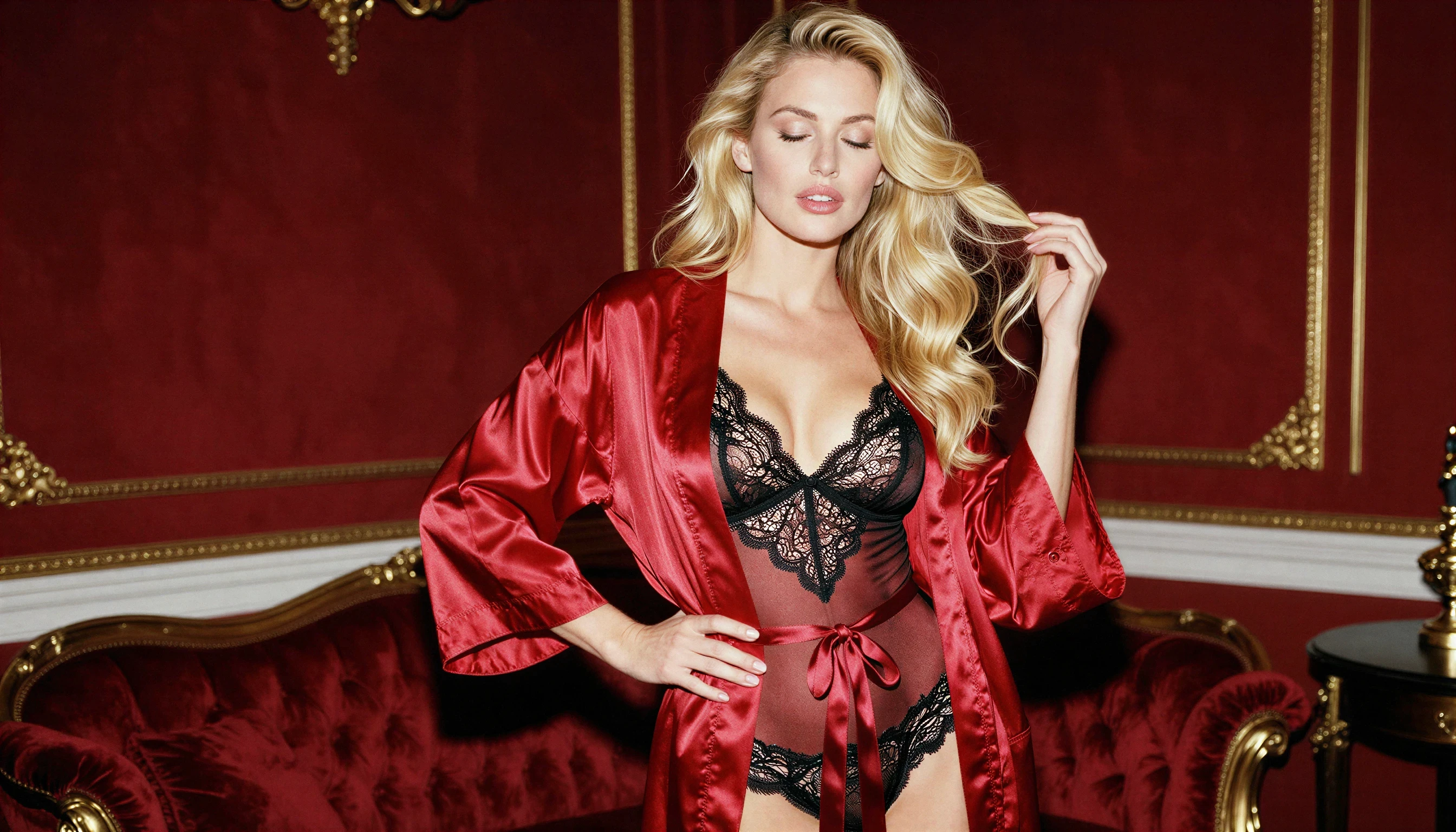
Fit and construction decide whether a color feels refined or merely pretty. A shade that is slightly imperfect can still feel exquisite when the seams are clean, the elastics are soft, and the lace edge is placed with patience rather than convenience. Luxury is often the moment you stop noticing the garment as an object and start noticing yourself as a body at rest.
Color, finally, is not a rulebook. It is a small private language. Some days you want a tone that dissolves into your skin, as if you are returning to yourself. Some days you want a shade that creates a boundary, like a line drawn gently around your attention.
The right pairing is the one that makes your body feel like home. Not improved. Not explained. Simply inhabited.
Fit and construction decide whether a color feels refined or merely pretty. A shade that is slightly imperfect can still feel exquisite when the seams are clean, the elastics are soft, and the lace edge is placed with patience rather than convenience. Luxury is often the moment you stop noticing the garment as an object and start noticing yourself as a body at rest.
Color, finally, is not a rulebook. It is a small private language. Some days you want a tone that dissolves into your skin, as if you are returning to yourself. Some days you want a shade that creates a boundary, like a line drawn gently around your attention.
The right pairing is the one that makes your body feel like home. Not improved. Not explained. Simply inhabited.