
LINGERIE AS OUTWEAR: FROM HIDDEN STRUCTURE TO STYLE
LINGERIE AS OUTWEAR: FROM HIDDEN STRUCTURE TO STYLE
LINGERIE AS OUTWEAR: FROM HIDDEN STRUCTURE TO STYLE
Once designed to disappear under tailoring, lingerie now steps into daylight as a deliberate line in the look. L’IA traces how corsetry’s discipline and silk’s quiet authority translate intimacy into composed visibility, where craft and restraint shape what is seen—and what remains yours.
Once designed to disappear under clothing, lingerie now steps into daylight as a deliberate line in the look. L’IA traces how corsetry’s discipline and silk’s quiet authority translate intimacy into composed visibility, where craft and restraint shape what is seen—and what remains yours.
Once designed to disappear under tailoring, lingerie now steps into daylight as a deliberate line in the look. L’IA traces how corsetry’s discipline and silk’s quiet authority translate intimacy into composed visibility, where craft and restraint shape what is seen—and what remains yours.
PUBLISHED: JAN 2, 2026
Once designed to disappear under clothing, lingerie now steps into daylight as a deliberate line in the look. L’IA traces how corsetry’s discipline and silk’s quiet authority translate intimacy into composed visibility, where craft and restraint shape what is seen—and what remains yours.
PUBLISHED: JAN 2, 2026
7 MIN READ
Once designed to disappear under clothing, lingerie now steps into daylight as a deliberate line in the look. L’IA traces how corsetry’s discipline and silk’s quiet authority translate intimacy into composed visibility, where craft and restraint shape what is seen—and what remains yours.
7 MIN READ
From Secret Architecture to Statement Piece
From Secret Architecture to Statement Piece
Once hidden beneath layers of tailoring, lingerie has become part of the main event. To understand what it means to let a silk strap or lace edge show, you have to begin with the years when these pieces were designed to remain unseen.
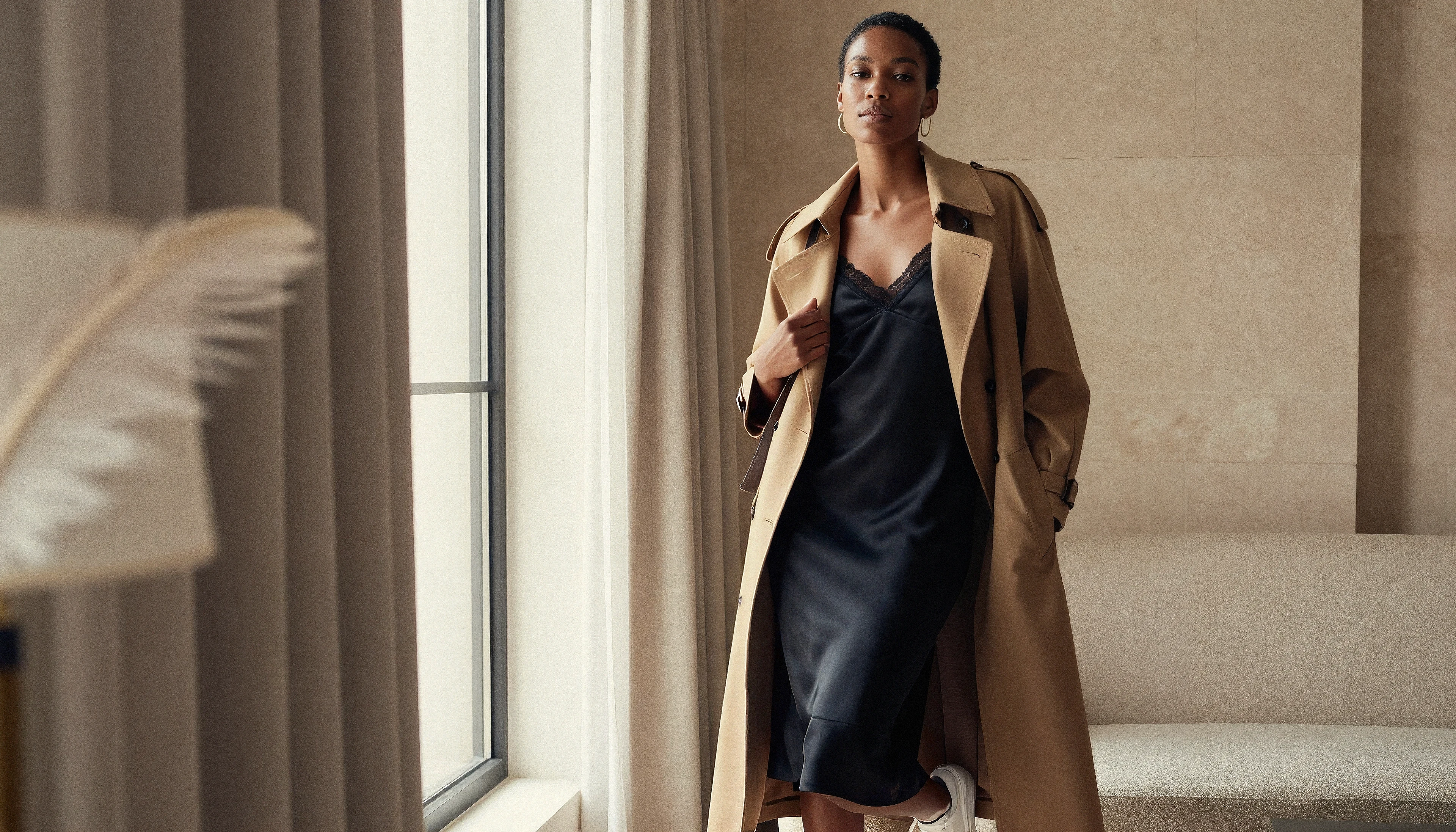
Think of the moment you leave the house with a silk slip skimming under your coat, its whisper against your skin known only to you. That small secret changes how you walk, how you hold yourself, how you enter a room. There is a particular intimacy to a garment designed not to be seen.
Once hidden beneath layers of tailoring, lingerie has become part of the main event. To understand what it means to let a silk strap or lace edge show, you have to begin with the years when these pieces were designed to remain unseen.
Think of the moment you leave the house with a silk slip skimming under your coat, its whisper against your skin known only to you. That small secret changes how you walk, how you hold yourself, how you enter a room. There is a particular intimacy to a garment designed not to be seen.
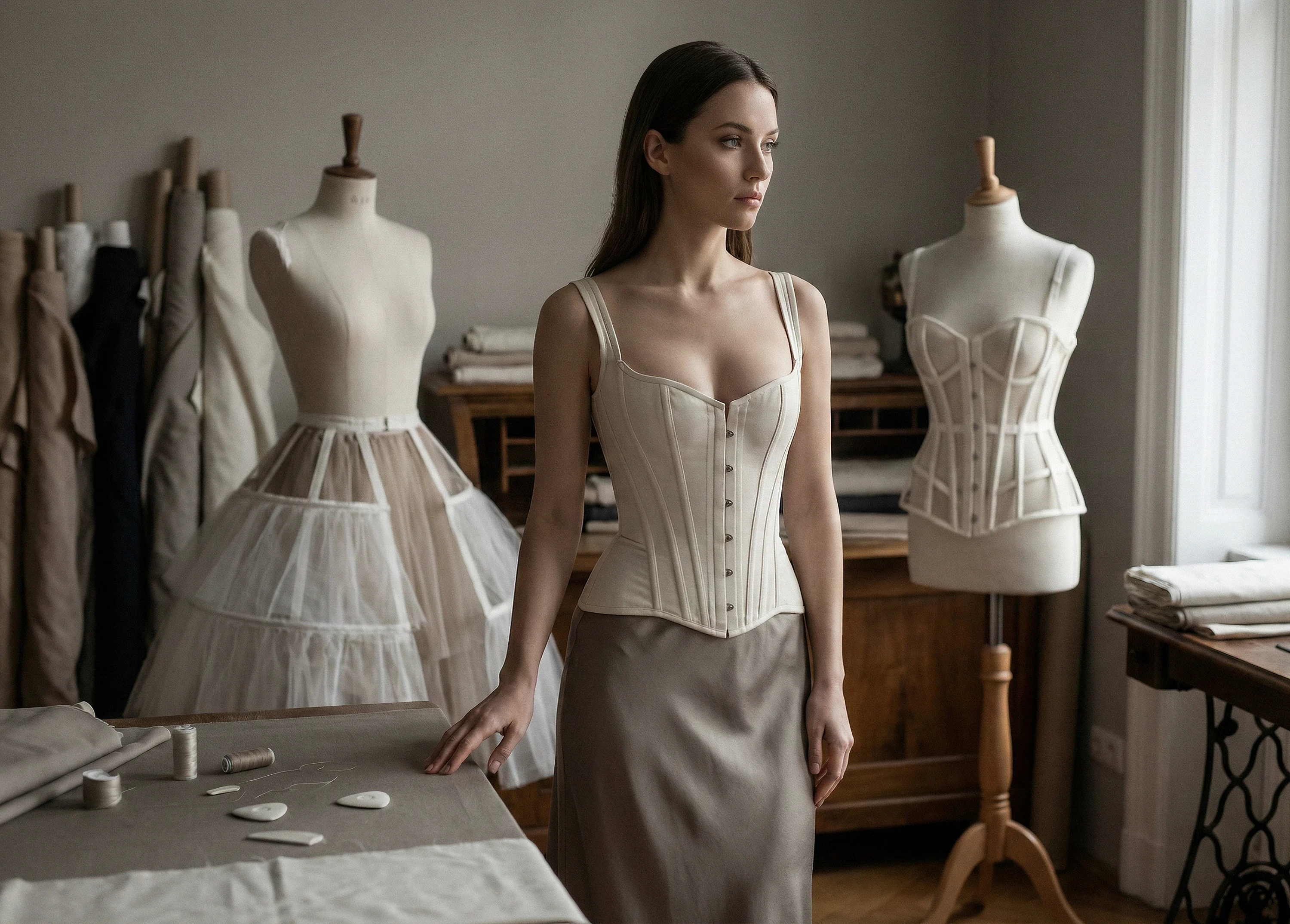
Lingerie, in its earliest forms, was a hidden architecture for the body. Corsets cinched invisible waists, chemises guarded skin from chafing fabrics with hand-finished seams, petticoats swelled skirts into sculptural volumes. For centuries, these garments were both essential and unseen, constructing an idealized silhouette while remaining largely unspeakable.
The contemporary phenomenon of lingerie as outerwear—corsets worn with trousers, lace bralettes under blazers, silk slips walking down city streets as dresses—emerges from this long history of secrecy. To wear lingerie publicly is to reveal not only skin but also the hidden scaffolding of femininity: the structures that have shaped bodies, desires, self-perception, and cultural expectations.
The roots of lingerie lie in control and construction. Early corsetry and structured underpinnings in Europe were less about seduction than discipline: the body molded into a narrow waist, lifted bust, and erect posture that signaled class, propriety, and gendered expectations.
Lingerie, in its earliest forms, was a hidden architecture for the body. Corsets cinched invisible waists, chemises guarded skin from chafing fabrics with hand-finished seams, petticoats swelled skirts into sculptural volumes. For centuries, these garments were both essential and unseen, constructing an idealized silhouette while remaining largely unspeakable.
The contemporary phenomenon of lingerie as outerwear—corsets worn with trousers, lace bralettes under blazers, silk slips walking down city streets as dresses—emerges from this long history of secrecy. To wear lingerie publicly is to reveal not only skin but also the hidden scaffolding of femininity: the structures that have shaped bodies, desires, self-perception, and cultural expectations.
The roots of lingerie lie in control and construction. Early corsetry and structured underpinnings in Europe were less about seduction than discipline: the body molded into a narrow waist, lifted bust, and erect posture that signaled class, propriety, and gendered expectations.
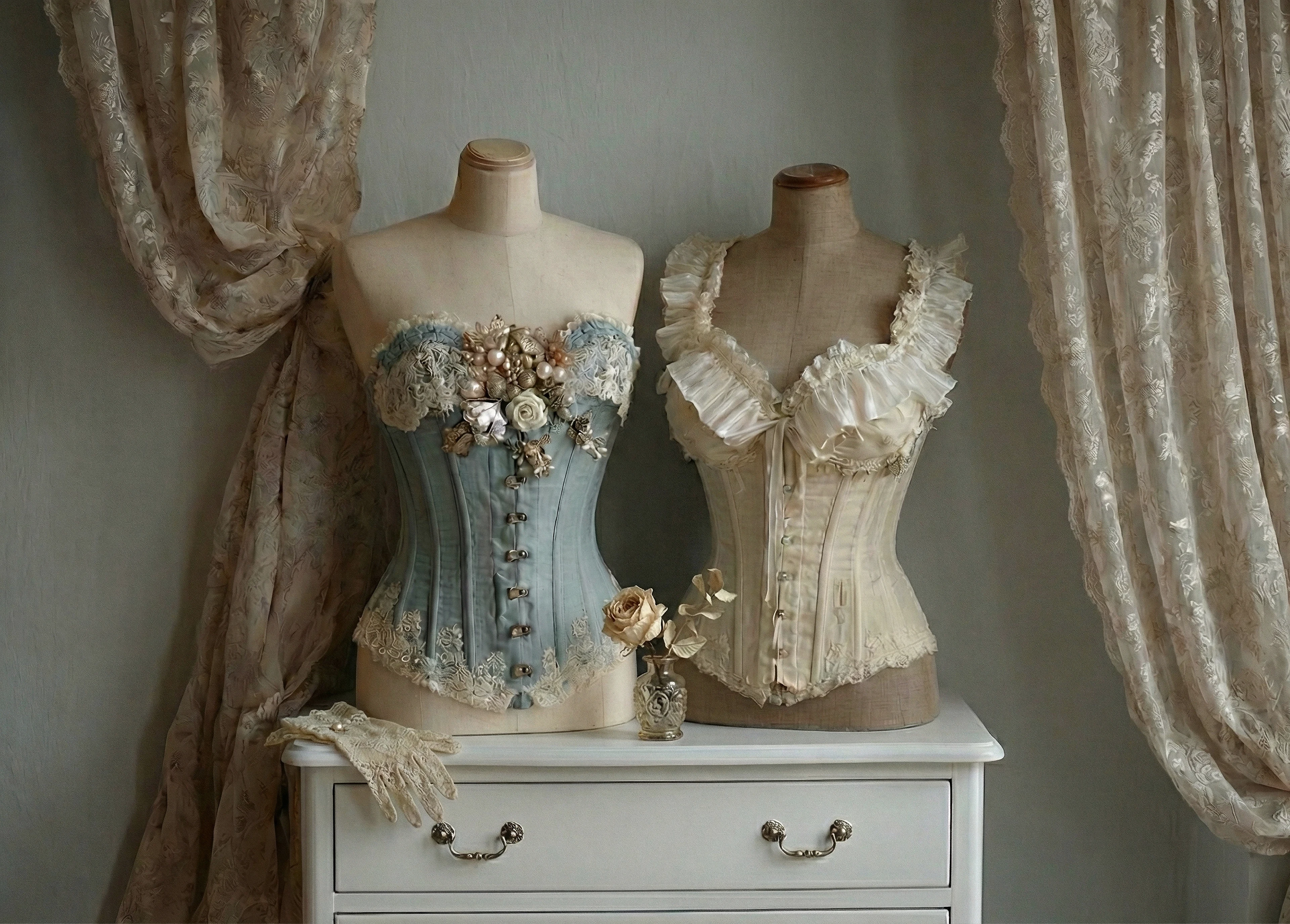
The chemise, that simple linen sheath worn close to the skin, functioned as a mediator between flesh and fabric, absorbing sweat and preserving outer garments. These layers formed what might be called the “secret silhouette,” a private architecture whose purpose was to create a public image. The hiddenness was not incidental; it was integral, mirroring the expectation that feminine labor, discomfort, and desire should also remain discreetly concealed.
Within this concealment lay a latent tension. The corset, laced tight against bare skin, was both instrument of social discipline and site of sensual awareness. The pressure of boning against ribs, the whisper of densely woven fabric against the sternum, the ritual of lacing—these were tactile encounters that belonged to the private self, even as they produced a socially acceptable façade.
To reveal such a garment would have been scandalous not only because of the implication of nakedness, but because it would expose the mechanism of fabrication: the “trick” behind the illusion of effortless femininity. Lingerie, from the beginning, sat at the fault line between interiority and performance, between body and image.
The chemise, that simple linen sheath worn close to the skin, functioned as a mediator between flesh and fabric, absorbing sweat and preserving outer garments. These layers formed what might be called the “secret silhouette,” a private architecture whose purpose was to create a public image. The hiddenness was not incidental; it was integral, mirroring the expectation that feminine labor, discomfort, and desire should also remain discreetly concealed.
Within this concealment lay a latent tension. The corset, laced tight against bare skin, was both instrument of social discipline and site of sensual awareness. The pressure of boning against ribs, the whisper of densely woven fabric against the sternum, the ritual of lacing—these were tactile encounters that belonged to the private self, even as they produced a socially acceptable façade.
To reveal such a garment would have been scandalous not only because of the implication of nakedness, but because it would expose the mechanism of fabrication: the “trick” behind the illusion of effortless femininity. Lingerie, from the beginning, sat at the fault line between interiority and performance, between body and image.
As the 19th century progressed, industrialization and shifting social mores began to loosen the grip of strictly codified modesty—though never evenly or universally. Underwear evolved in tandem with outerwear: bustles demanded new foundations, rational dress reform introduced looser undergarments, and the emerging ready-to-wear industry standardized sizes and silhouettes.
The private sphere of the boudoir became a site of fantasy in art and literature, where glimpses of lingerie symbolized transgression or erotic revelation. Yet even these glimpses were framed as accidental—the flicker of a stocking top beneath a skirt, the disarranged bodice after a passionate encounter—rather than intentional styling.
The early 20th century brought more radical shifts. The abandonment of the rigid Victorian corset in favor of more flexible, elongated foundations reflected a new, fashion-driven ideal: a slim, modern silhouette rather than any single “correct” body. The garçonne of the 1920s, with her dropped waist and bias-cut slips, seemed to erase curves even as lingerie became lighter and closer to the skin.
As the 19th century progressed, industrialization and shifting social mores began to loosen the grip of strictly codified modesty—though never evenly or universally. Underwear evolved in tandem with outerwear: bustles demanded new foundations, rational dress reform introduced looser undergarments, and the emerging ready-to-wear industry standardized sizes and silhouettes.
The private sphere of the boudoir became a site of fantasy in art and literature, where glimpses of lingerie symbolized transgression or erotic revelation. Yet even these glimpses were framed as accidental—the flicker of a stocking top beneath a skirt, the disarranged bodice after a passionate encounter—rather than intentional styling.
The early 20th century brought more radical shifts. The abandonment of the rigid Victorian corset in favor of more flexible, elongated foundations reflected a new, fashion-driven ideal: a slim, modern silhouette rather than any single “correct” body. The garçonne of the 1920s, with her dropped waist and bias-cut slips, seemed to erase curves even as lingerie became lighter and closer to the skin.
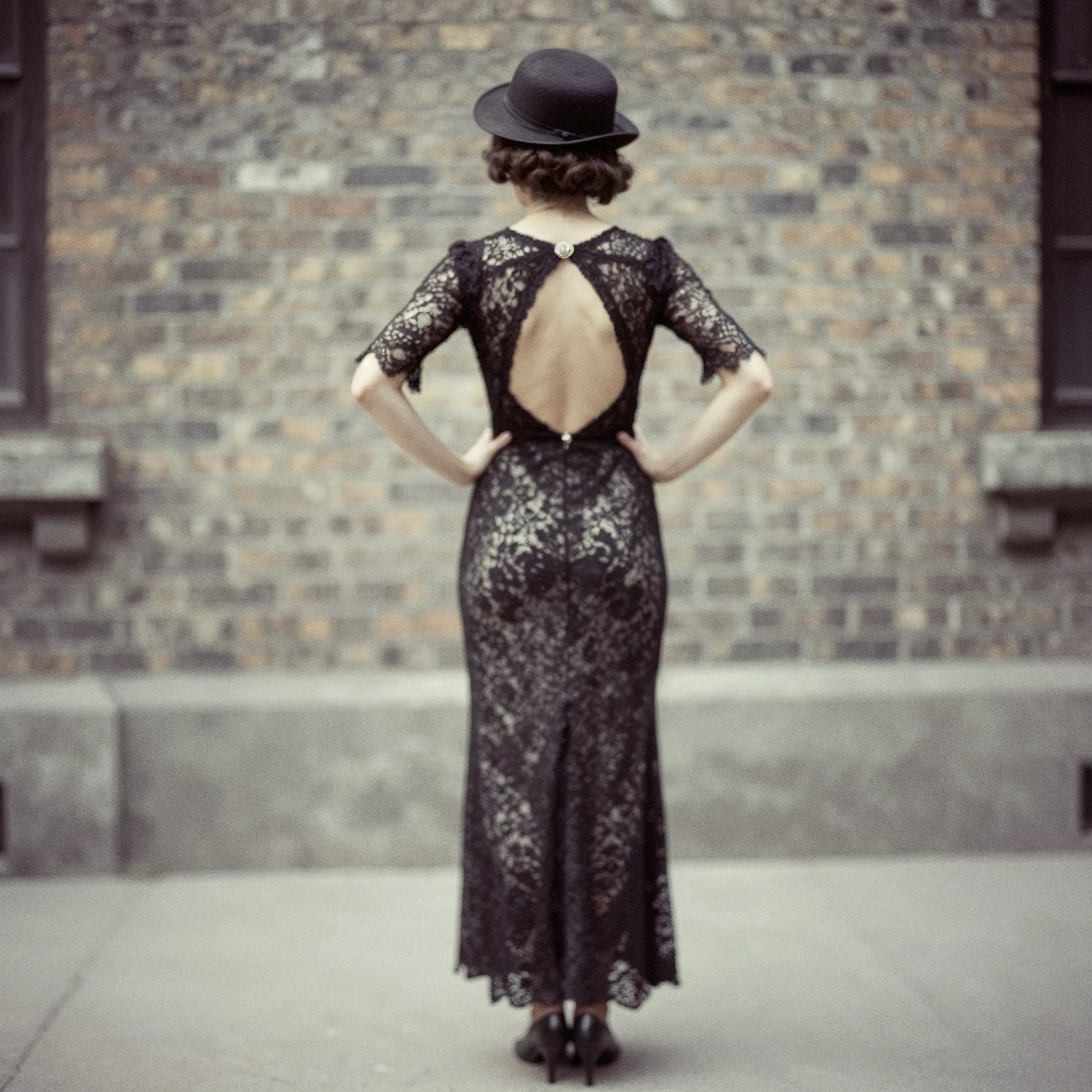
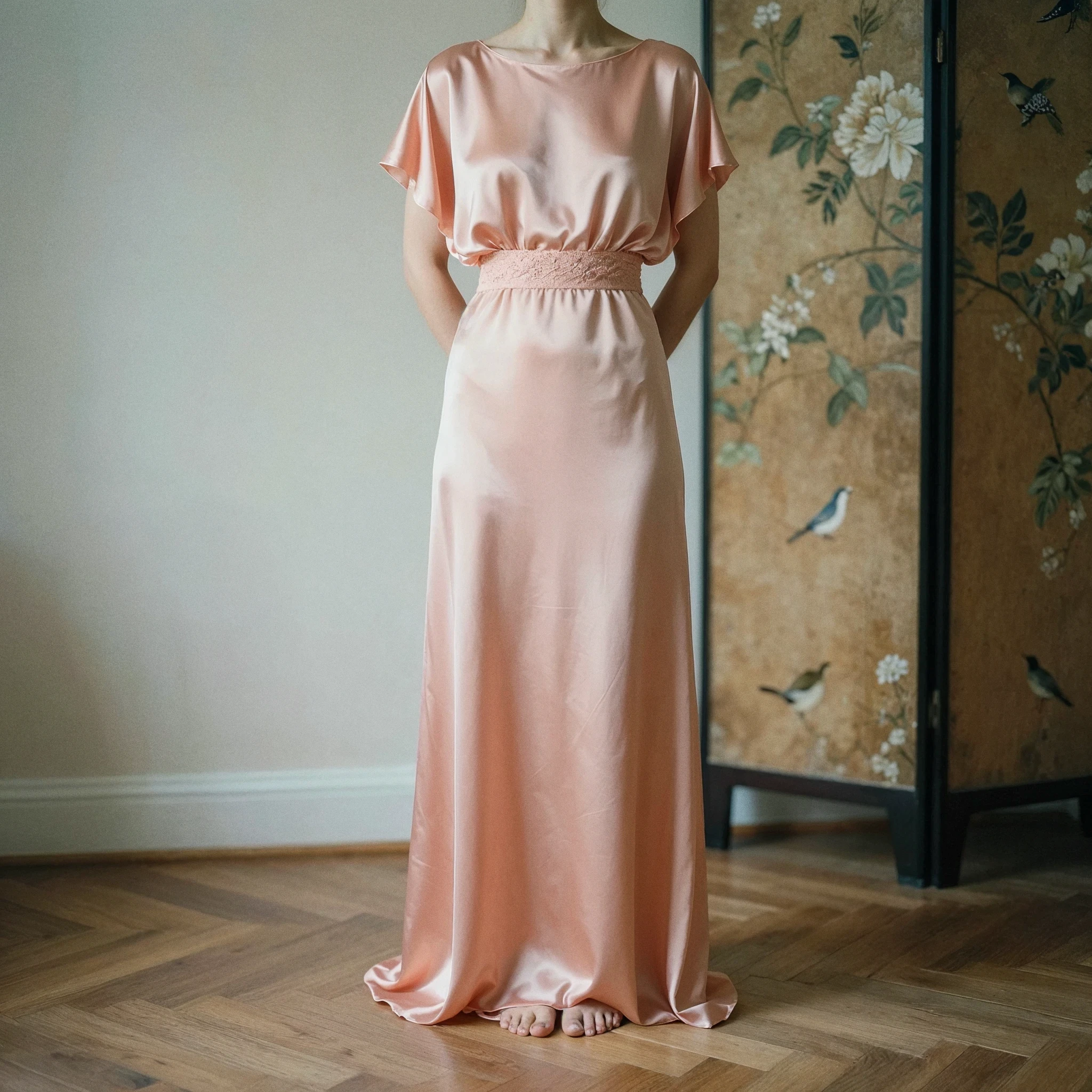
Silk chemises and satin step-ins were still hidden, but their minimalism and fluidity anticipated a future in which underwear would no longer be structurally or symbolically separate from outerwear. The slip dress of the 1930s, often in whisper-thin silk cut on the bias to cling and skim in equal measure, already contained the potential to become a dress in its own right.
Silk chemises and satin step-ins were still hidden, but their minimalism and fluidity anticipated a future in which underwear would no longer be structurally or symbolically separate from outerwear. The slip dress of the 1930s, often in whisper-thin silk cut on the bias to cling and skim in equal measure, already contained the potential to become a dress in its own right.
From Boudoir Fantasy to Everyday Armor
From Boudoir Fantasy to Everyday Armor
This is the era when lingerie stops belonging only to dim bedrooms and studio lights and starts walking streets, boardrooms, and bars with you. The underpinnings that once supported a look quietly begin to claim their own spotlight.
By the mid-20th century, lingerie occupied a paradoxical position: increasingly standardized and functional—bullet bras and girdles underpinning Dior’s New Look, elasticized foundations sculpting the hourglass—yet simultaneously elevated by pin-up culture, glamorous Hollywood publicity stills, and the nascent lingerie advertising industry into an object of explicit desire.
This is the era when lingerie stops belonging only to dim bedrooms and studio lights and starts walking streets, boardrooms, and bars with you. The underpinnings that once supported a look quietly begin to claim their own spotlight.
By the mid-20th century, lingerie occupied a paradoxical position: increasingly standardized and functional—bullet bras and girdles underpinning Dior’s New Look, elasticized foundations sculpting the hourglass—yet simultaneously elevated by pin-up culture, glamorous Hollywood publicity stills, and the nascent lingerie advertising industry into an object of explicit desire.
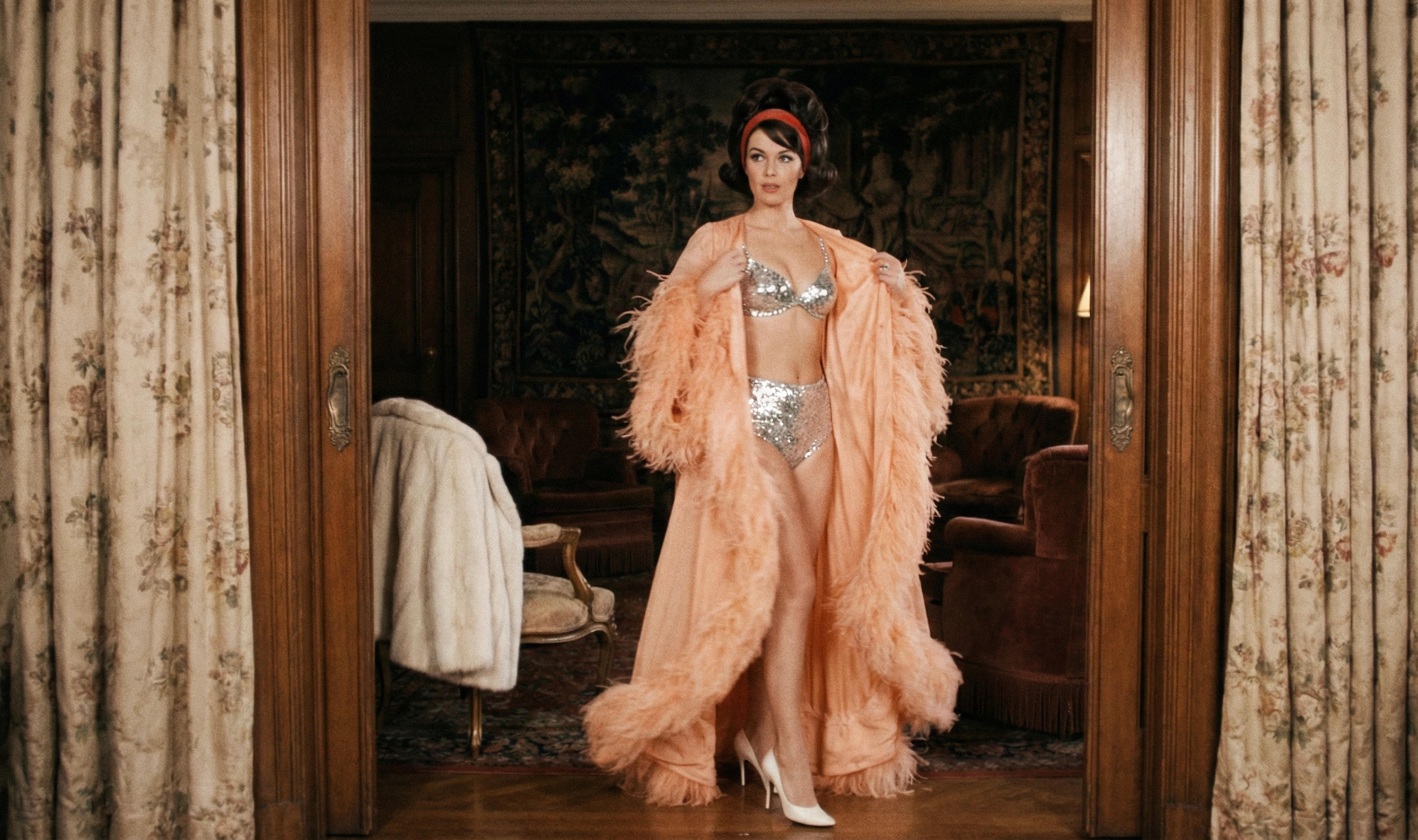
The image of a body in underwear became not merely a private intimacy but a commodity, a carefully staged fantasy for the camera. Yet the spectacle remained framed within the logic of undressing. Lingerie was revealed as part of a narrative of seduction, not as an independent fashion statement. Its visibility was acceptable only in the moment before its removal.
The latter half of the 20th century would irreversibly erode this boundary. The feminist movements of the 1960s and 1970s challenged the symbolic weight of the bra as an instrument of confinement, even if the myth of “bra-burning” has overshadowed the nuances of those protests.
The image of a body in underwear became not merely a private intimacy but a commodity, a carefully staged fantasy for the camera. Yet the spectacle remained framed within the logic of undressing. Lingerie was revealed as part of a narrative of seduction, not as an independent fashion statement. Its visibility was acceptable only in the moment before its removal.
The latter half of the 20th century would irreversibly erode this boundary. The feminist movements of the 1960s and 1970s challenged the symbolic weight of the bra as an instrument of confinement, even if the myth of “bra-burning” has overshadowed the nuances of those protests.
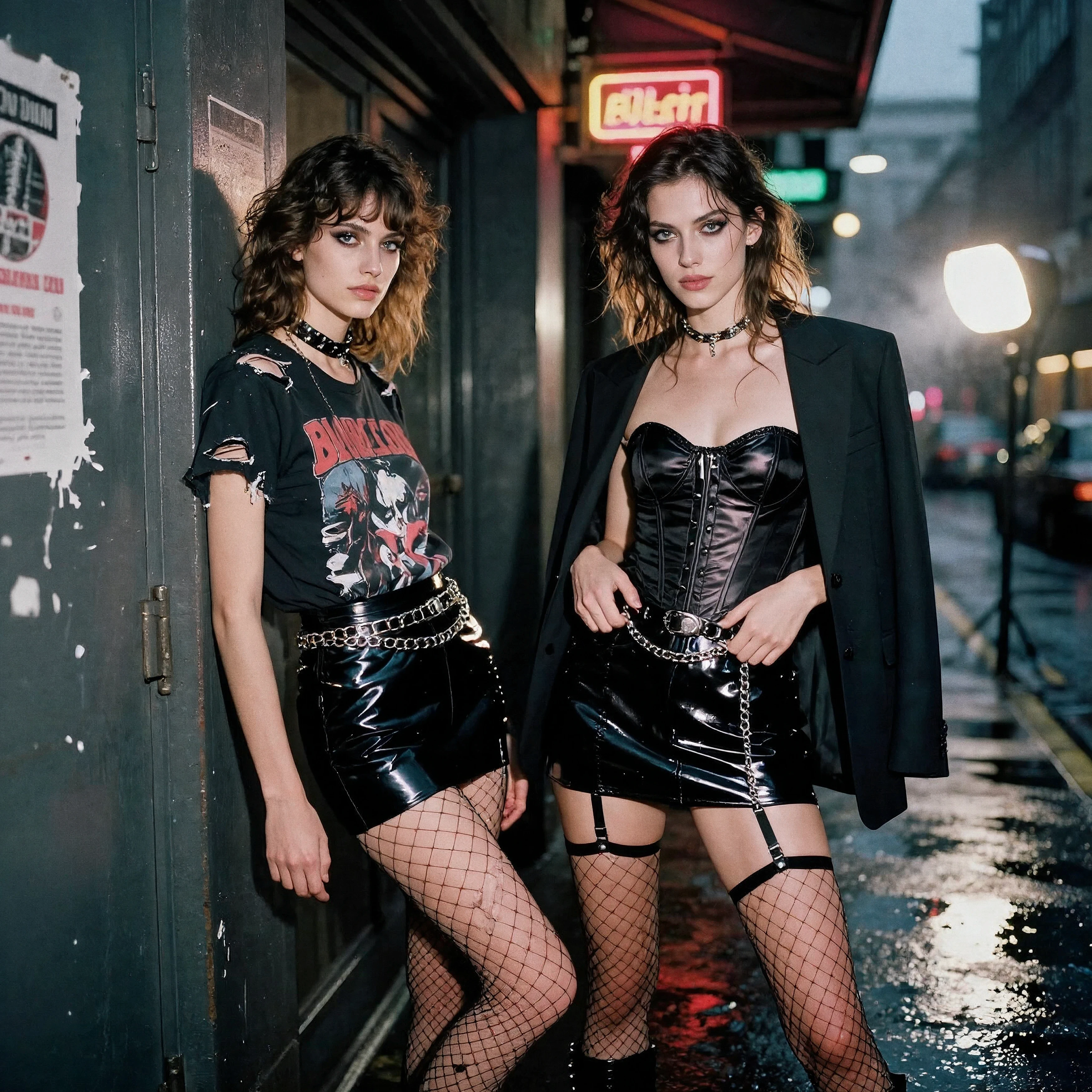
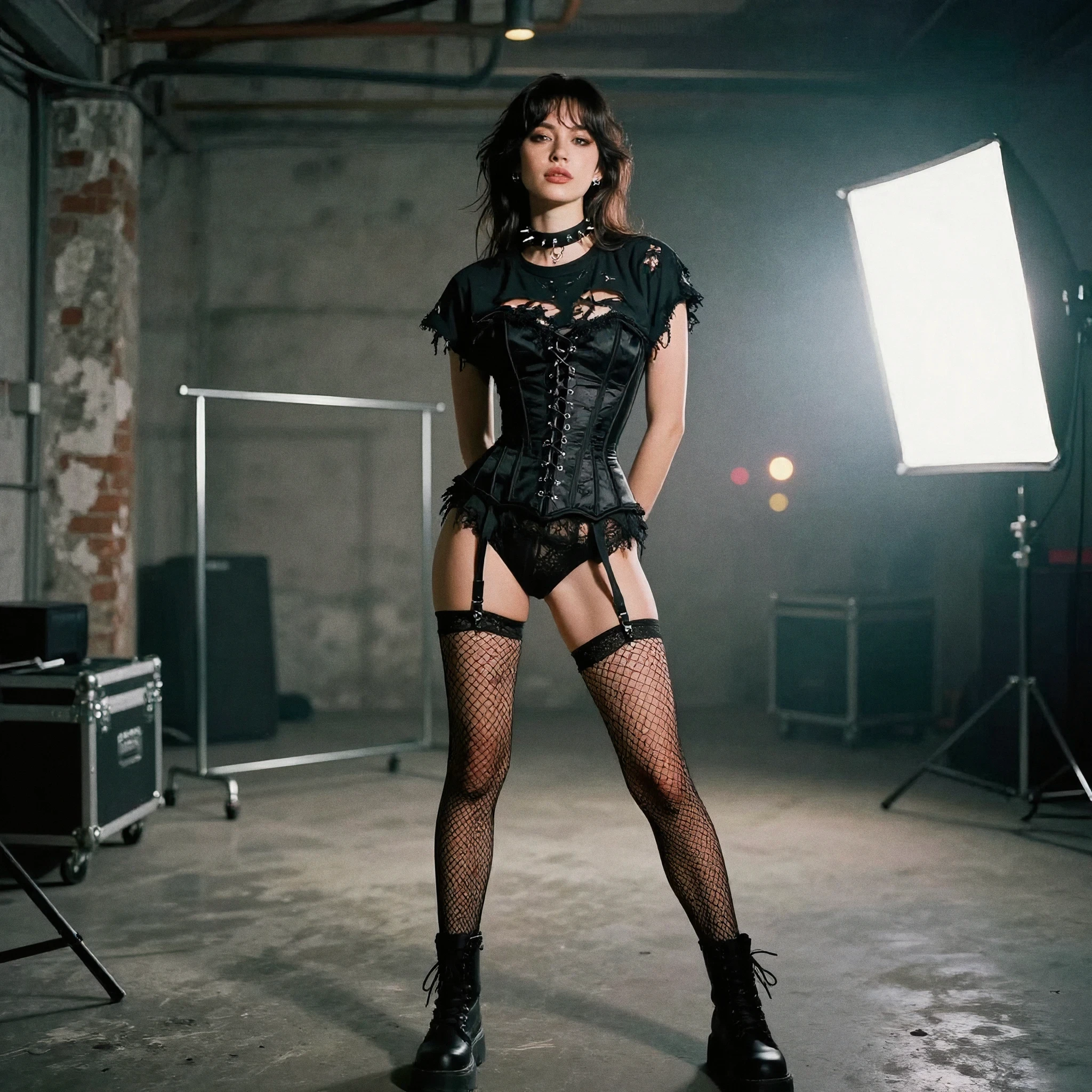
Meanwhile, subcultures—punk, BDSM, club kids—began to appropriate lingerie as part of a visual vocabulary of defiance. Fishnet stockings paired with ripped T-shirts, corsets worn over shirts rather than under dresses, exposed garter straps: these were gestures that refused the binary of respectable vs. indecent. They destabilized the hierarchy between what should be hidden and what could be flaunted.
The true catalyst arrived in the late 1980s and 1990s, when lingerie entered the mainstream vocabulary of fashion as outerwear. Designers sent corsets, bustiers, and slip dresses down the runway not as underpinnings but as protagonists, often constructed with couture-level corsetry and spiral steel boning developed in heritage ateliers.
When Gaultier placed the corset on the outside, most famously on Madonna during her Blond Ambition tour, he did not merely invert a garment; he inverted a power dynamic. The cone bra was aggressive, armor-like, and undeniably visible. It took a symbol of historical oppression (the corset) and transformed it into a symbol of sexual dominance and autonomy.
Meanwhile, subcultures—punk, BDSM, club kids—began to appropriate lingerie as part of a visual vocabulary of defiance. Fishnet stockings paired with ripped T-shirts, corsets worn over shirts rather than under dresses, exposed garter straps: these were gestures that refused the binary of respectable vs. indecent. They destabilized the hierarchy between what should be hidden and what could be flaunted.
The true catalyst arrived in the late 1980s and 1990s, when lingerie entered the mainstream vocabulary of fashion as outerwear. Designers sent corsets, bustiers, and slip dresses down the runway not as underpinnings but as protagonists, often constructed with couture-level corsetry and spiral steel boning developed in heritage ateliers.
When Gaultier placed the corset on the outside, most famously on Madonna during her Blond Ambition tour, he did not merely invert a garment; he inverted a power dynamic. The cone bra was aggressive, armor-like, and undeniably visible. It took a symbol of historical oppression (the corset) and transformed it into a symbol of sexual dominance and autonomy.

This was the watershed moment where the "private" became political. The exposure of the undergarment ceased to be a malfunction and became a manifesto. It signaled that the wearer was no longer subject to the gaze, but was controlling it, directing it, and challenging it. Exposure, previously coded as vulnerability or impropriety, was reimagined as strategy.
Note for the Reader from L’IA:
Lingerie becomes truly modern the moment it stops being a secret you endure—and turns into a private standard you live by. Try the principle of “quiet engineering.” Choose one impeccably made detail that earns its place through comfort: a silk satin slip that glides under knitwear, straps that stay put without digging, lace that feels soft rather than fragile. Anchor it in city tailoring—a fluid blazer, clean trousers—so a glimpse of tulle or a seam line reads as deliberate restraint. When a set is an investment, look for design that holds up to real days: long hours, heat, movement, and the calm confidence of knowing nothing needs adjusting. Luxury, here, is ease you can trust.
This was the watershed moment where the "private" became political. The exposure of the undergarment ceased to be a malfunction and became a manifesto. It signaled that the wearer was no longer subject to the gaze, but was controlling it, directing it, and challenging it. Exposure, previously coded as vulnerability or impropriety, was reimagined as strategy.
Note for the Reader from L’IA:
Lingerie becomes truly modern the moment it stops being a secret you endure—and turns into a private standard you live by. Try the principle of “quiet engineering.” Choose one impeccably made detail that earns its place through comfort: a silk satin slip that glides under knitwear, straps that stay put without digging, lace that feels soft rather than fragile. Anchor it in city tailoring—a fluid blazer, clean trousers—so a glimpse of tulle or a seam line reads as deliberate restraint. When a set is an investment, look for design that holds up to real days: long hours, heat, movement, and the calm confidence of knowing nothing needs adjusting. Luxury, here, is ease you can trust.